How to Go Global: Expanding Your E-Commerce Brand Internationally

Taking your e-commerce brand global is one of the most exciting — and challenging — steps in digital business growth.
With billions of online shoppers worldwide, international expansion offers incredible opportunities to reach new markets and boost revenue.
But global success requires more than just opening your website to international traffic. It demands strategy, localization, and adaptability.
🧭 1. Research Your Target Markets
Before you launch abroad, start with data-driven market research.
- Identify where demand for your products is growing.
- Analyze local competitors, pricing, and consumer behavior.
- Understand payment preferences and shipping expectations.
Knowing your audience helps you tailor your offer to each market — a key step to building trust and conversions.
🌐 2. Localize Your Website and Content
Localization goes beyond translation — it’s about cultural relevance.
- Translate product descriptions, FAQs, and checkout pages professionally.
- Use local currencies and adapt measurements (e.g., cm vs inches).
- Customize visuals and marketing messages to match cultural nuances.
A localized experience shows respect for your customers and improves conversion rates dramatically.
💳 3. Offer Multiple Payment Options
Every region has preferred payment methods.
- In Europe, cards and PayPal dominate.
- In Asia, digital wallets like Alipay and WeChat Pay are key.
- In Latin America, cash-based solutions like OXXO are popular.
Offering familiar payment systems builds credibility and ease of use, reducing cart abandonment.
🚚 4. Streamline Global Shipping and Logistics
Efficient logistics are essential for international e-commerce success.
- Partner with reliable international couriers.
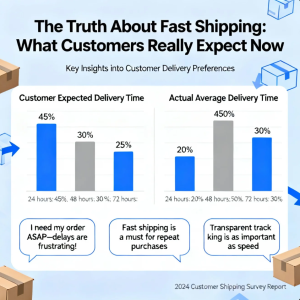
- Display transparent shipping fees and estimated delivery times.
- Offer tracking options and clear return policies.
Customers value trust and clarity — two pillars of smooth cross-border operations.
📣 5. Tailor Your Marketing for Each Region
Marketing that works locally may not translate globally.
- Use localized SEO to target country-specific keywords.
- Create region-specific ad campaigns and social content.
- Collaborate with local influencers or brand ambassadors.
A personalized approach helps you connect authentically with new audiences.
📊 6. Monitor, Adapt, and Grow
After launch, track performance using analytics tools:
- Measure traffic by country, conversion rates, and return customers.
- Monitor logistics performance and customer feedback.
- Stay agile — refine your approach as you learn more.
Global expansion is a process of continuous optimization and learning.
🏁 Conclusion: Think Global, Act Local
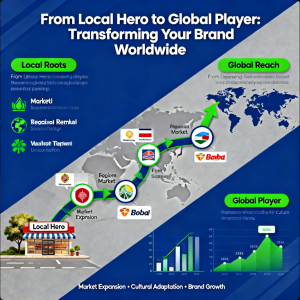
Expanding your e-commerce brand internationally opens doors to unlimited growth, but success depends on understanding and adapting to each market’s unique needs.
By focusing on localization, logistics, and authentic engagement, your brand can thrive globally — one country at a time.
With the right strategy, your next loyal customer could be anywhere in the world. 🌎






Post Comment