Mastering E-Commerce SEO: Drive Traffic and Dominate Search Rankings
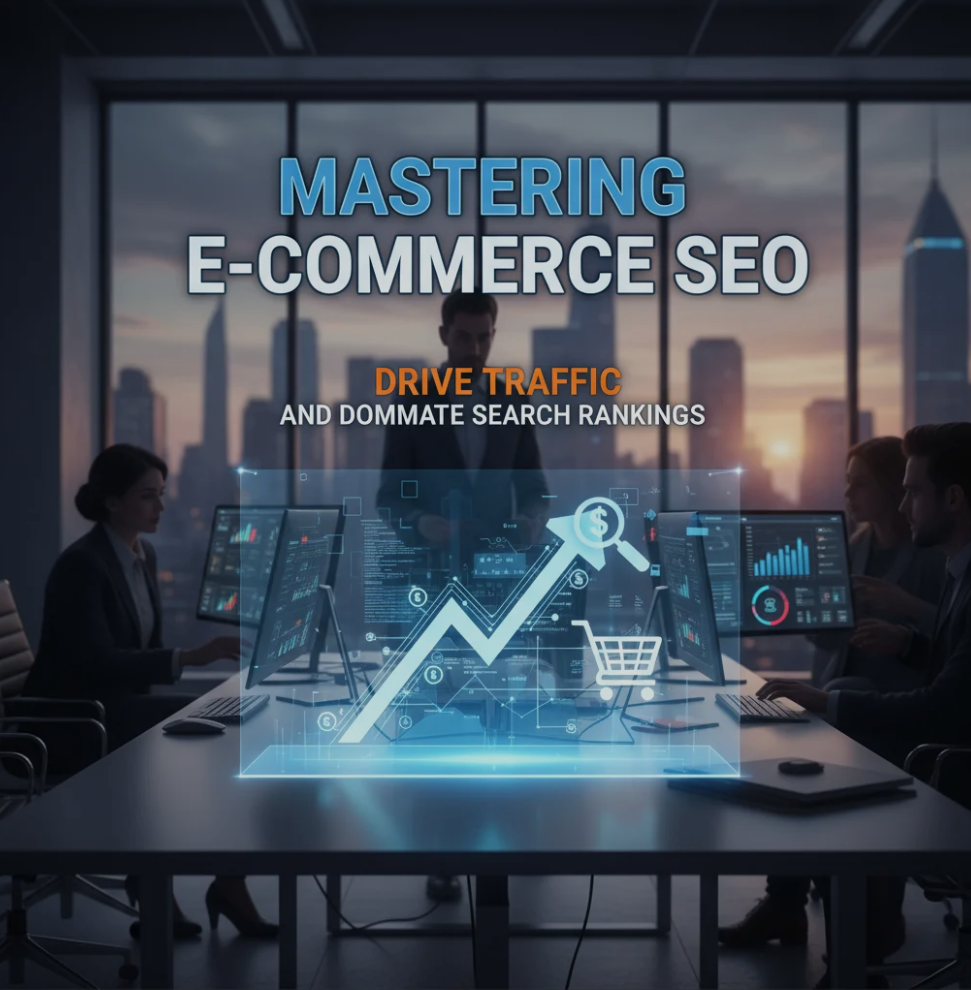
In today’s digital marketplace, e-commerce SEO is the foundation of sustainable growth.
Paid ads can deliver short-term results, but SEO creates long-term visibility, organic traffic, and consistent sales.
With millions of online stores competing for attention, mastering e-commerce SEO helps your brand stand out — and convert clicks into customers.
🔍 1. Optimize Your Keyword Strategy
Every successful SEO campaign begins with the right keywords.
Instead of targeting generic terms like “shoes,” go for long-tail keywords such as “women’s running shoes with arch support.”
These specific terms attract high-intent buyers who are ready to make a purchase.
Use tools like:
- Google Keyword Planner
- Ahrefs
- SEMrush
👉 Tip: Focus on keywords that combine volume, relevance, and buying intent.
🏷️ 2. Craft SEO-Friendly Product Pages
Each product page is a chance to rank and sell.
Ensure you include:
- Descriptive product titles with your focus keyword.
- Unique meta descriptions for each page.
- High-quality images with keyword-rich alt text.
- Readable URLs (e.g.,
/running-shoes/womens/arch-support).
Avoid copying manufacturer descriptions — original content always wins in search rankings.
🧭 3. Structure Your Site for Users and Crawlers
A clear site structure improves user experience and helps search engines understand your pages.
Follow this hierarchy:
Homepage → Categories → Subcategories → Product Pages.
Keep internal links logical, and use breadcrumbs to help users navigate easily.
Fast, organized websites not only rank better but also reduce bounce rates.
⚙️ 4. Improve Site Speed and Mobile Optimization
Google’s algorithm prioritizes fast-loading and mobile-friendly websites.
Even a one-second delay can impact conversions.
To enhance performance:
- Compress images using TinyPNG or ShortPixel.
- Use a Content Delivery Network (CDN).
- Optimize for mobile-first indexing.
A fast, seamless experience improves both SEO and customer satisfaction.
📝 5. Create Valuable Content That Converts
Content marketing is a powerful SEO tool for e-commerce.
Regularly publish:
- Blog posts about product benefits or usage.
- Buying guides and comparisons.
- Tutorials and how-to articles.
- Customer stories and reviews.
Quality content attracts organic backlinks, builds authority, and keeps visitors engaged longer.
🔗 6. Master Technical SEO Essentials
Even the best content won’t rank if your site has technical issues.
Check for:
- Broken links (404 errors).
- Duplicate content.
- XML sitemap submission.
- Structured data (Schema markup).
- Secure HTTPS connection.
Use tools like Google Search Console and Screaming Frog to regularly audit your site.
💬 7. Optimize for User Experience (UX)
Search engines reward websites that keep users happy.
Focus on:
- Clear navigation
- Readable fonts and layouts
- Trust signals (reviews, SSL, policies)
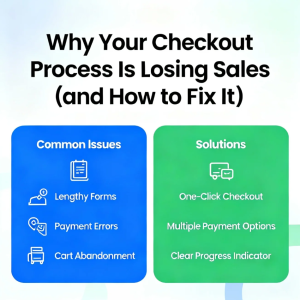
- Easy checkout process
A smooth UX increases conversions and reduces cart abandonment — a double win for SEO and sales.
📈 8. Leverage Backlinks and Brand Authority
High-quality backlinks remain one of Google’s top ranking factors.
Earn links by:
- Publishing shareable, insightful content.
- Collaborating with influencers or bloggers.
- Getting listed in industry directories.
- Offering guest posts on reputable websites.
Backlinks act as votes of confidence for your store, improving your domain authority.
🧠 9. Measure, Analyze, and Adapt
E-commerce SEO isn’t a one-time project — it’s a continuous process.
Track your progress using:
- Google Analytics (traffic and conversions).
- Search Console (indexing and impressions).
- Ahrefs or SEMrush (backlinks and keyword rankings).
Use this data to refine your strategy, target new opportunities, and outperform competitors.
🏁 Conclusion: From Clicks to Conversions
Mastering e-commerce SEO takes time, but the results are worth it.
By focusing on keywords, site structure, content, and user experience, you’ll attract more visitors and turn them into paying customers.
In the ever-evolving digital marketplace, SEO isn’t just about visibility — it’s about dominating your niche and building a brand that lasts.






Post Comment