Privacy vs. Personalization: The Ongoing Dilemma for Digital Retailers
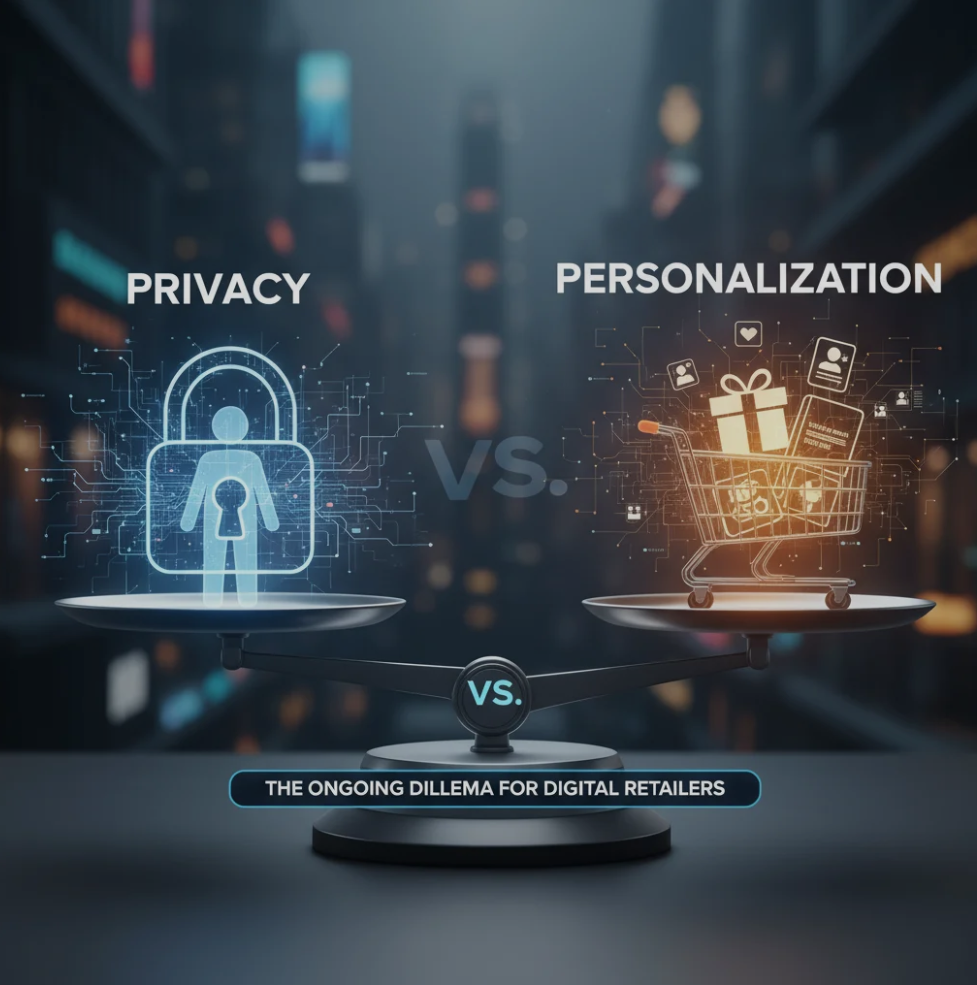
In 2025, the debate around privacy vs. personalization is louder than ever. Digital retailers know that personalization boosts sales, increases loyalty, and creates smoother shopping experiences. Yet customers are becoming more protective of their personal data — and more skeptical about how brands use it.
This tension has created a defining challenge for online retailers:
How do you deliver personalized experiences without crossing privacy lines?
Let’s break down the dilemma and how retailers are navigating it.
🔍 1. Why Personalization Matters More Than Ever
Online shoppers now expect brands to “know” them — but only in ways that feel helpful, not invasive.
Personalization benefits digital retailers by:
- Increasing conversion rates
- Reducing cart abandonment
- Enhancing customer satisfaction
- Raising long-term loyalty
- Delivering relevant content and recommendations
A well-personalized experience can make a small brand feel like a premium, human-centric retailer.
But personalization depends on data — and that’s where the conflict begins.
🔐 2. The Rising Demand for Privacy
Customers today are more cautious about how their information is collected and used. After years of data breaches, targeted ads that feel “too accurate,” and increasing regulatory awareness, shoppers want:
- Transparency
- Control
- Security
- Permission-based data tracking
They don’t want brands following them across the internet or storing unnecessary details.
For retailers, this means personalization must happen without violating trust.
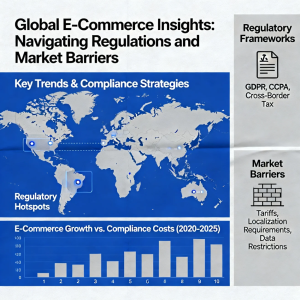
📜 3. Regulations Are Changing the Rules of the Game
Privacy laws worldwide are tightening, forcing retailers to rethink how they gather data.
Key regulations influencing digital retail include:
- GDPR (Europe)
- CCPA & CPRA (California)
- PDPA (Asia-Pacific regions)
- New global cookie-restriction guidelines
- Third-party cookie phase-outs (Google Chrome in 2025)
These changes limit:
- Behavioral tracking
- Third-party profiling
- Cross-site advertising
- Automated data collection
Retailers must now rely on ethical, transparent data models.
🧠 4. First-Party Data: The New Gold
With third-party cookies disappearing, brands are shifting to first-party data — information customers willingly provide.
Examples include:
- Email sign-ups
- Purchase history
- On-site browsing data
- Wishlist items
- Loyalty program data
Because first-party data is consent-based, it supports personalization without invading privacy.
🤝 5. Zero-Party Data: Customers Sharing by Choice
Zero-party data is information customers intentionally share, such as:
- Preferences
- Interests
- Style quizzes
- Sizing surveys
- Product priorities (organic, vegan, budget-friendly, etc.)
This type of data is becoming essential for personalization that feels helpful, not creepy.
Customers appreciate when you ask — not when you assume.
🤖 6. AI Personalization That Respects Boundaries
AI algorithms now help retailers analyze data responsibly by:
- Using anonymized datasets
- Predicting customer behavior patterns
- Personalizing without storing sensitive information
- Suggesting items based on on-site actions only
Privacy-first AI allows brands to deliver smart recommendations while avoiding risky profiling.
⚠️ 7. When Personalization Crosses the Line
Customers report feeling uncomfortable when:
- Ads follow them from site to site
- Platforms know things they never shared
- Brands use browsing data from unrelated websites
- Past conversations or messages influence product suggestions
This leads to distrust — and once lost, trust is extremely difficult to rebuild.
Retailers must ensure personalization never feels like surveillance.
🛠️ 8. How Brands Can Balance Privacy and Personalization
Modern digital retailers succeed by adopting privacy-first personalization strategies like:
✅ Clear, friendly data consent requests
✅ Personalized experiences based on on-site behavior
✅ Rewarding customers for voluntarily sharing preferences
✅ Transparent data policies in plain language
✅ Strict data security and encryption
✅ Offering “privacy mode” options for more cautious users
A healthy balance is built on respect, transparency, and mutual value.
🌟 Final Thoughts: The Future Is Trust-Based Personalization
The privacy–personalization debate isn’t going away. If anything, it will shape the future of e-commerce for years to come.
Retailers who succeed in 2025 are those who:
- Collect data ethically
- Personalize responsibly
- Protect customer information
- Build trust through transparency
When done right, personalization doesn’t invade privacy — it enhances the customer journey.
And in the digital retail world, trust is the most powerful form of currency.




Post Comment