The Psychology of Slot Machines: Why We Keep Spinning
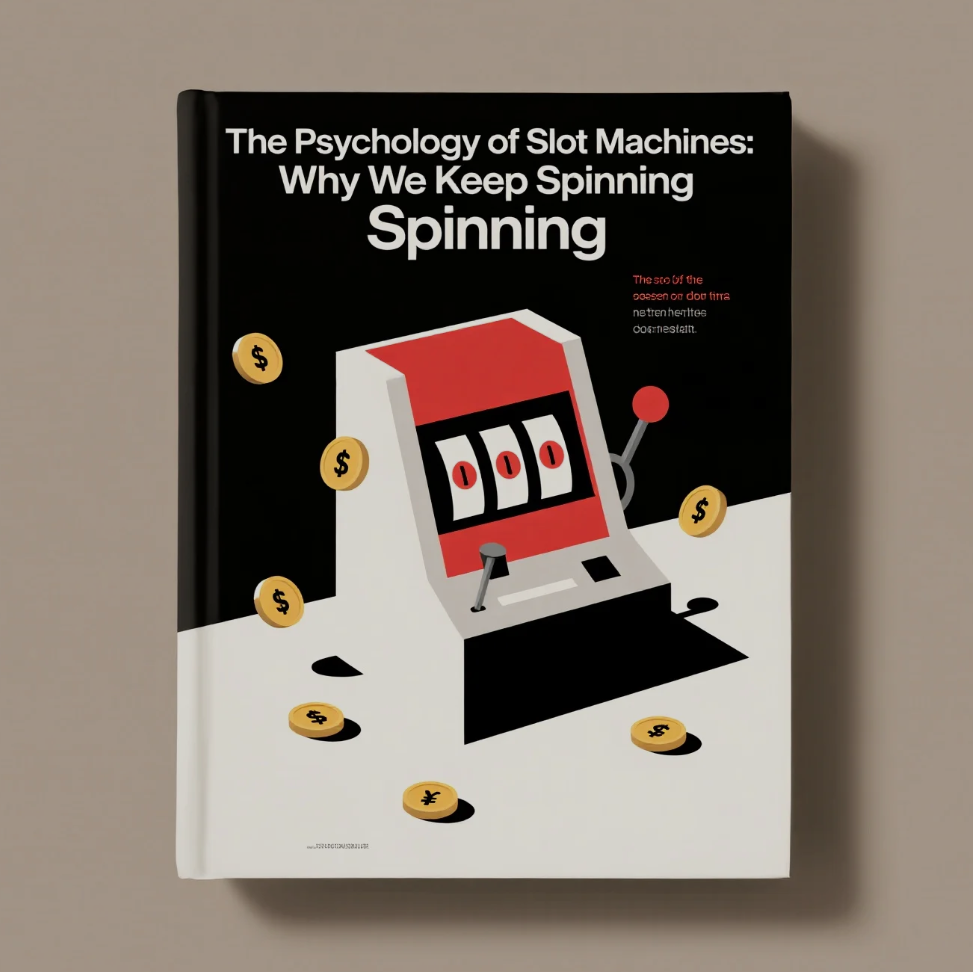
Slot machines are simple, fast, and exciting—but beneath their colorful reels is a carefully engineered psychological experience designed to keep players engaged. From flashing lights to near-misses, everything you see and hear is part of a system meant to trigger emotion, anticipation, and reward.
Here’s a closer look at why slot machines are so irresistible and the psychological principles that keep players spinning.
1. The Power of Random Rewards
Slot machines operate on a random reward schedule, one of the most powerful motivators in human psychology.
- Wins are unpredictable
- Each spin holds the possibility of a reward
- The randomness builds anticipation and excitement
This type of reward system is the same mechanism behind addictive mobile apps, social media notifications, and even lottery games.
2. Near-Misses: The Illusion of “Almost Winning”
A near-miss happens when the reels stop just short of a winning combination.
Even though it’s a loss, the brain interprets it as “close enough,” triggering:
- Increased motivation
- The belief that a win is coming soon
- A surge of dopamine similar to an actual win
Near-misses are designed to keep players emotionally invested—and eager for the next spin.
3. Sensory Overload: Lights, Sounds, and Motion
Slot machines are a sensory playground:
- Flashing lights
- Rewarding sound effects
- Vibrations or animations
- Visual celebrations for even small wins
These stimuli trigger the brain’s reward center, creating a fun, immersive environment where time feels like it moves differently.
4. Small Wins That Feel Big
Slot machines often deliver frequent “wins” that are smaller than the original bet, but the machine still celebrates them with dramatic lights and sounds.
This creates:
- A feeling of success
- Reinforced behavior
- The illusion of positive progress
Players may lose slowly while feeling like they’re winning.
5. Losses Disguised as Wins (LDWs)
Some slots display full celebratory animations even when the payout is less than the bet.
Psychologically, this tricks the brain into responding as though the outcome was positive, keeping players satisfied and playing longer.
6. The “Just One More Spin” Effect
Slot sessions are built around quick rounds, usually lasting seconds.
This encourages a rapid cycle of:
spin → result → emotional response → spin again
Because each decision is small and fast, players easily slip into long sessions without realizing how much time (or money) has passed.
7. Personalization and Themes
Modern slots use popular themes—mythology, movies, adventure, fantasy—to create emotional connections.
When players enjoy a theme, they experience:
- Increased engagement
- Emotional attachment
- A stronger urge to “see what happens next”
The machine feels less like a tool and more like entertainment.
Conclusion
The psychology of slot machines is a complex blend of reward systems, sensory design, and emotional triggers. Everything—from the timing of wins to the colors of the buttons—is intentionally crafted to keep players spinning.
Understanding how these systems work doesn’t just make you a smarter player; it empowers you to enjoy slot games responsibly and with awareness.
Slots will always be fun—but now you know why.









Post Comment