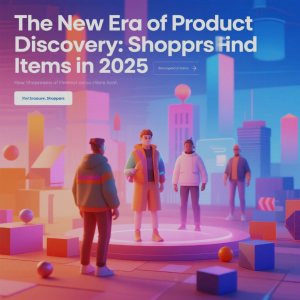
The New Era of Product Discovery: How Shoppers Find Items in 2025
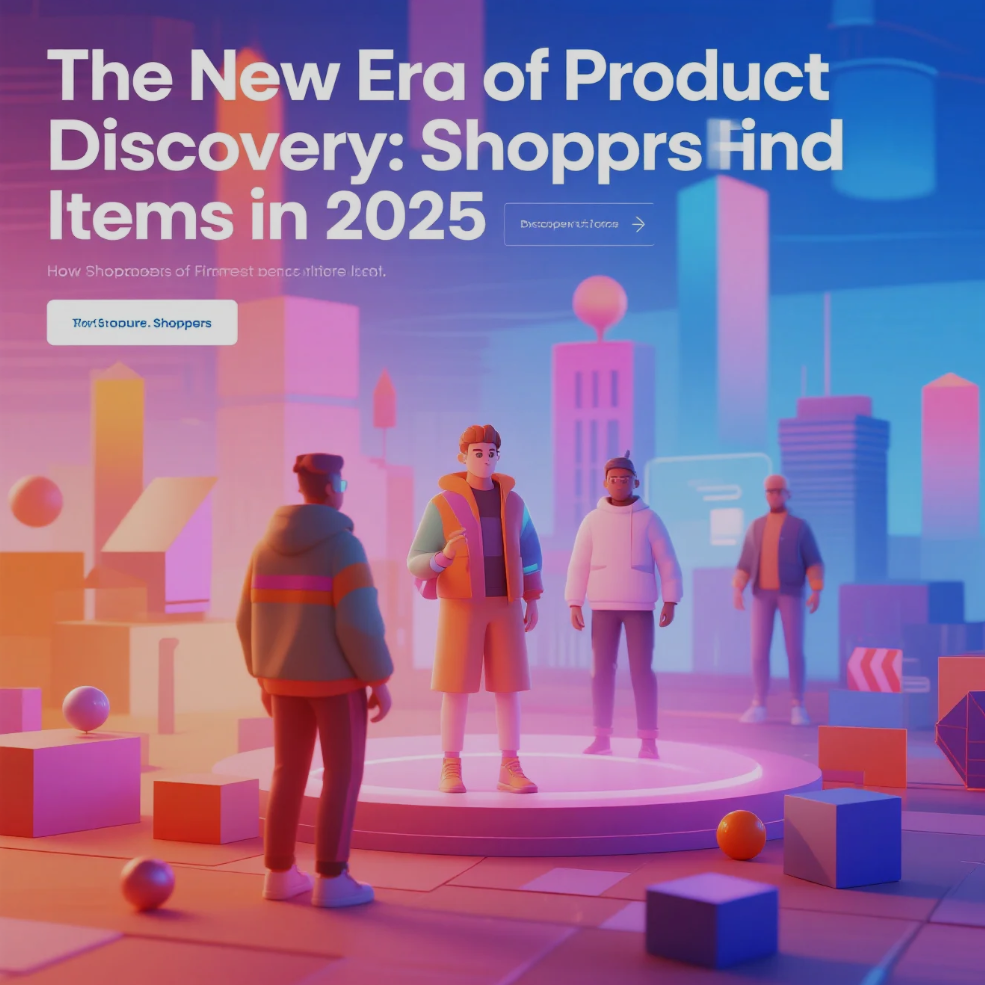
The way consumers discover products has transformed dramatically over the past decade — and in 2025, the shift is even more disruptive. Traditional search engines are no longer the sole gateway to online shopping. Instead, buyers rely on AI-driven suggestions, social commerce, UGC creators, voice search, and personalized shopping ecosystems that predict what they want before they search for it.
This marks a new era of product discovery — one where technology understands behavior, context, and intent, helping shoppers find exactly what they need faster than ever.
1. AI-Powered Search Becomes the New “Home Page”
In 2025, consumers don’t just type queries into search bars; they interact with AI assistants that deliver curated results. These systems analyze:
- Browsing patterns
- Purchase history
- Style preferences
- Location and timing
- Social behavior
This creates hyper-personalized recommendations that feel tailored to each user.
AI-driven discovery replaces generic keyword searches with context-aware answers, such as:
“Find me a waterproof running shoe for tropical weather under $100.”
Results come from multiple platforms, turning AI into the central hub for product exploration.
2. Social Commerce Dominates Early Inspiration
Platforms like TikTok Shop, Instagram Reels, Pinterest, and emerging micro-video apps continue to lead inspiration-driven shopping. Products trend instantly through:
- Creator reviews
- Viral challenges
- Before-and-after videos
- Aesthetic-focused content
- AI-generated product demos
By 2025, social media has become the #1 starting point for product discovery among Gen Z and Millennials.
Brands can no longer rely solely on SEO; social proof is the new search engine.
3. Creator-Driven Discovery Replaces Traditional Ads
Creators — from nano-influencers to industry experts — now act as trusted filters. Consumers prefer recommendations from:
- Review-focused creators
- Niche experts
- Lifestyle influencers
- Community tastemakers
Why? Because authenticity performs better than advertising.
In 2025, creator commerce blends seamlessly with AI platforms, meaning creators not only promote products but directly influence algorithmic recommendations.
4. Visual and Voice Search Explode in Popularity
Consumers increasingly use alternative input methods:
Visual Search
Shoppers upload images or screenshots and instantly find:
- The exact item
- Similar alternatives
- Budget versions
- Local availability
Pinterest, Google Lens, and retail apps now offer near-perfect object recognition.
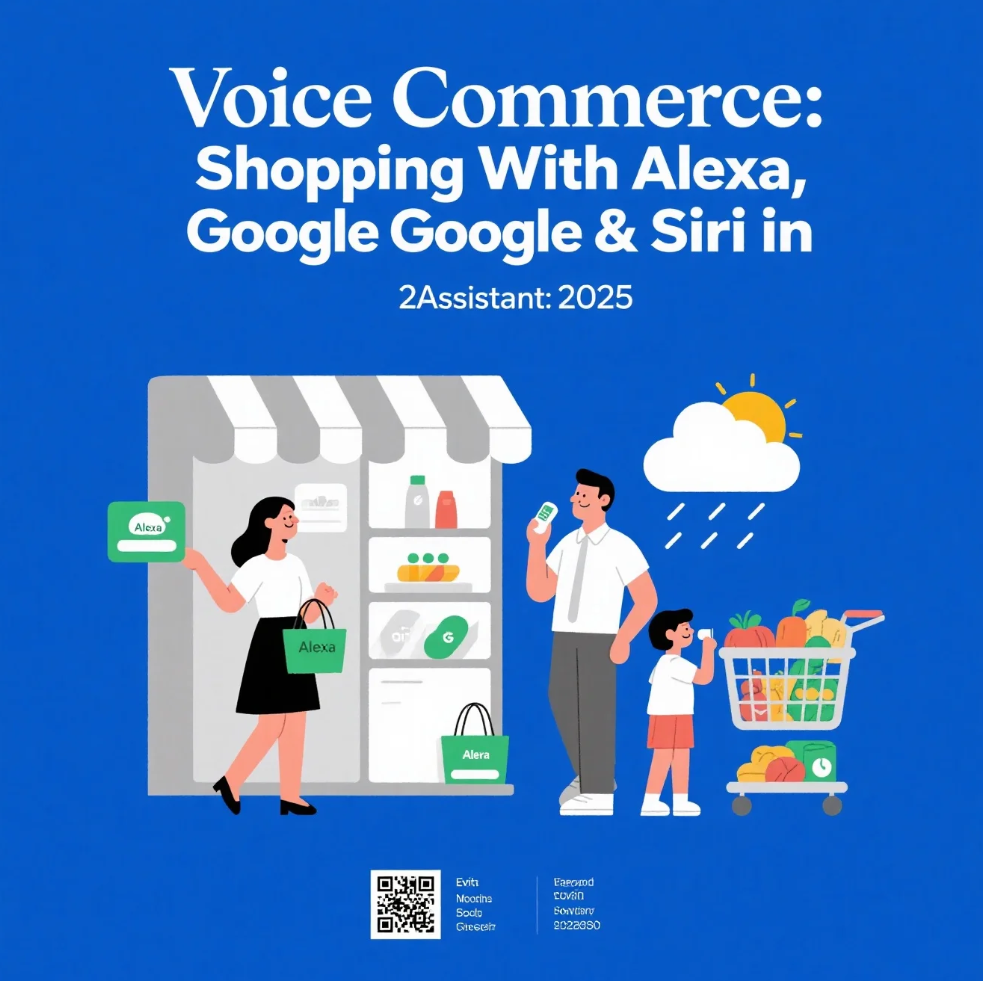
Voice Search
Smart speakers and AI assistants allow hands-free discovery through natural speech:
“Find eco-friendly cleaning products available near me.”
This frictionless interaction boosts product discovery throughout the day, even during multitasking.
5. Retailers Build Predictive Shopping Ecosystems
E-commerce platforms in 2025 use predictive analytics to understand what shoppers need before they search.
Systems can now anticipate:
- When you might run out of household items
- Seasonal wardrobe updates
- High-frequency replacements
- Health and wellness restocks
- Upcoming events like birthdays or holidays
This turns product discovery into proactive suggestions, not user-generated searches.
6. Trust and Transparency Shape Consumer Decisions
With personalization comes the need for credibility. Shoppers rely heavily on:
- Verified user reviews
- Transparent pricing
- Ethical product labeling
- Sustainability scores
- Brand trust metrics
AI filters help identify misleading claims, guiding users toward more reliable recommendations.
In 2025, trust is currency — and shoppers reward transparent brands.
7. Multi-Platform Journeys Are Now the Norm
A single purchase may involve:
- Seeing a creator video on TikTok
- Saving a pin on Pinterest
- Checking reviews on Google
- Getting AI recommendations for alternatives
- Visiting a retailer’s website
- Purchasing via mobile checkout
Shoppers expect consistent information across all touchpoints. Brands must optimize every platform to stay discoverable.
Conclusion
The landscape of product discovery in 2025 is more dynamic, intelligent, and interconnected than ever. Consumers are guided by AI, inspired by social creators, and supported by seamless multichannel ecosystems. For brands, staying relevant means embracing personalization, authenticity, and user-driven content.
The future of shopping isn’t about searching — it’s about being discovered.






Post Comment