E-Commerce Security 2025: Protecting Your Store From New Threats
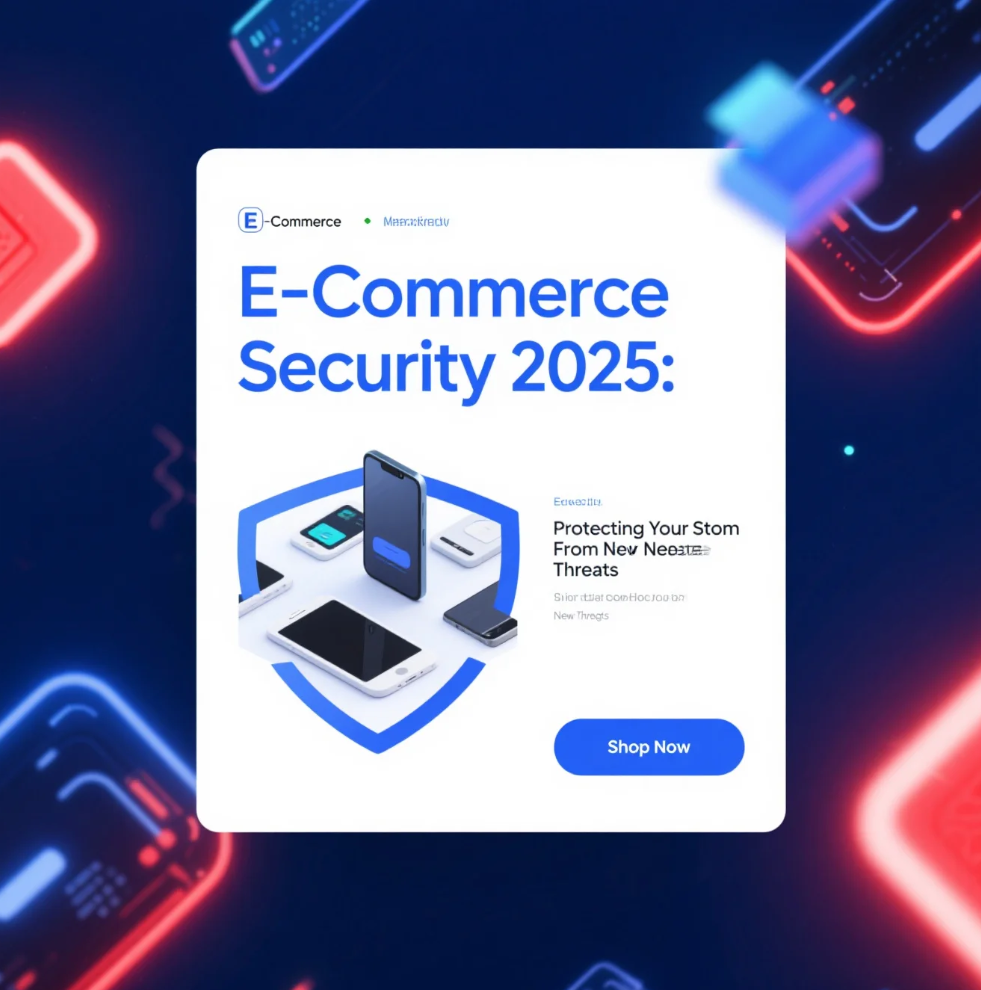
E-commerce continues to grow at record speed—but so do cyber threats. As online stores adopt AI, automation, and cloud-based platforms, attackers are evolving just as quickly. In 2025, e-commerce security is no longer optional or reactive—it’s a core business strategy.
From AI-powered fraud to supply chain vulnerabilities, this guide explores the new threats facing e-commerce stores and the most effective ways to protect your business, data, and customers.
1. The Evolving Threat Landscape in 2025
Cybercriminals are becoming more sophisticated, targeting not just large enterprises but small and mid-sized online stores.
Top E-Commerce Threats in 2025
- AI-generated phishing and social engineering
- Credential stuffing using breached data
- Payment fraud and account takeovers
- Malware embedded in third-party plugins
- API and headless commerce vulnerabilities
- Supply chain and vendor-based attacks
Attackers now exploit automation, speed, and trust—making traditional defenses insufficient.
2. AI-Powered Attacks: Smarter and Harder to Detect
Artificial intelligence is a double-edged sword. While businesses use AI to improve operations, cybercriminals use it to scale attacks.
How AI Is Being Used by Attackers
- Hyper-personalized phishing emails
- Deepfake customer support scams
- Automated fraud testing across thousands of accounts
- Adaptive bots that mimic human behavior
These attacks bypass basic filters and rely on realism rather than brute force.
3. Payment Security Remains a Prime Target
Online payments remain the most attractive attack surface for cybercriminals.
Key Payment-Related Risks
- Card-not-present (CNP) fraud
- Fake checkout pages
- Skimming scripts injected into checkout flows
- Mobile payment vulnerabilities
Essential Payment Protections
- PCI DSS compliance
- Tokenization and encryption
- Multi-factor authentication (MFA)
- Fraud detection tools with behavioral analysis
Securing checkout is critical to protecting both revenue and brand trust.
4. Account Takeovers & Credential Abuse
With billions of credentials leaked globally, attackers increasingly rely on credential stuffing rather than hacking.
Why This Is Dangerous
- Users reuse passwords
- Automated bots test credentials at scale
- Takeovers often go unnoticed until damage is done
Defense Strategies
- Enforce strong password policies
- Enable MFA for customers and admins
- Monitor unusual login behavior
- Rate-limit login attempts
Account security is customer security.
5. Third-Party Plugins & Supply Chain Risks
Modern e-commerce platforms rely heavily on extensions, APIs, and third-party tools—but every integration increases risk.
Common Supply Chain Vulnerabilities
- Outdated plugins
- Unvetted vendors
- Insecure APIs
- Excessive permission access
Best Practices
- Audit third-party tools regularly
- Remove unused plugins
- Apply least-privilege access
- Monitor updates and security advisories
A single compromised plugin can expose an entire store.
6. Cloud & Headless Commerce Security Challenges
As headless and cloud-native architectures become standard, security complexity increases.
New Risks Include
- Misconfigured cloud storage
- Exposed APIs
- Insecure front-end frameworks
- Weak authentication between services
Security Must Include
- API authentication and rate limiting
- Continuous monitoring
- Secure DevOps (DevSecOps) practices
- Regular penetration testing
Modern architecture demands modern security thinking.
7. Data Privacy & Regulatory Pressure
Customer data protection is now both a security and compliance issue.
2025 Compliance Expectations
- GDPR, CCPA, and global privacy expansion
- Clear data handling and consent policies
- Rapid breach notification requirements
Data Protection Essentials
- Encrypt data at rest and in transit
- Minimize data collection
- Limit internal access
- Maintain audit logs
Trust is built on transparency and protection.
8. Building a Security-First E-Commerce Strategy
The most resilient stores don’t rely on a single solution—they build layered defenses.
Security Checklist for 2025
- Regular security audits
- Automated patching and updates
- Employee security training
- Incident response planning
- Real-time monitoring and alerts
Security is not a product—it’s an ongoing process.
Conclusion
In e-commerce security 2025, the threat landscape is faster, smarter, and more complex than ever. AI-driven attacks, payment fraud, supply chain risks, and cloud vulnerabilities demand proactive, adaptive defenses.
By investing in layered security, modern tools, and continuous monitoring, online stores can protect their revenue, reputation, and customers—turning security from a risk into a competitive advantage.












Post Comment