How to Build an E-Commerce Brand People Actually Remember
Launching an online store is easy. Building an e-commerce brand people actually remember is not.
In a crowded digital marketplace, products are copied, ads are ignored, and prices race to the bottom. What truly separates successful stores from forgettable ones is brand memory—how customers feel, think, and talk about you after they leave your site.
This guide explains how to build a memorable e-commerce brand, using proven strategies that go beyond logos and ads.
🧩 What Makes an E-Commerce Brand Memorable?
A memorable brand is not just recognized—it’s recalled.
Customers remember brands that:
- Evoke emotion
- Solve a clear problem
- Feel human and consistent
- Deliver a distinct experience
If people can describe your store in one clear sentence, you’re on the right path.
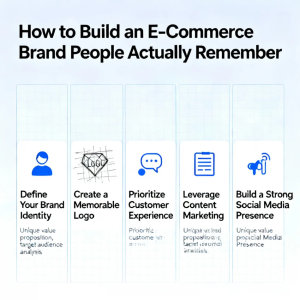
🎯 Start With a Clear Brand Positioning
🧭 Define Your “Why”
Before colors or fonts, define:
- Who your brand is for
- What problem you solve better than others
- Why you exist beyond making money
Strong positioning creates instant clarity.
📖 Learn more about brand positioning:
https://www.shopify.com/blog/brand-positioning
🧑🤝🧑 Know Your Ideal Customer Deeply
Memorable brands speak to one specific audience, not everyone.
Ask:
- What frustrates them?
- What language do they use?
- What do they value emotionally?
The clearer your customer persona, the stronger your brand voice becomes.
🎨 Build a Distinct Visual Identity
🎨 Consistency Beats Complexity
Your visual identity should be:
- Simple
- Consistent across all channels
- Instantly recognizable
This includes:
- Logo
- Color palette
- Typography
- Product imagery style
Consistency builds trust, and trust builds memory.
🔗 Reference:
https://99designs.com/blog/branding/brand-identity/
🗣️ Develop a Strong Brand Voice
✍️ Sound Like a Human, Not a Corporation
Your copywriting plays a huge role in brand recall.
Memorable brands:
- Use natural language
- Have a clear tone (friendly, bold, premium, playful)
- Stay consistent across product pages, emails, and ads
A strong voice turns customers into fans.
📦 Create an Experience, Not Just a Transaction
📬 Packaging & Unboxing Matter
The post-purchase experience is often overlooked—but it’s critical.
Consider:
- Thoughtful packaging
- Thank-you notes
- Surprise inserts or small extras
These moments create emotional peaks customers remember.
📌 Example inspiration:
https://www.hubspot.com/marketing/customer-experience
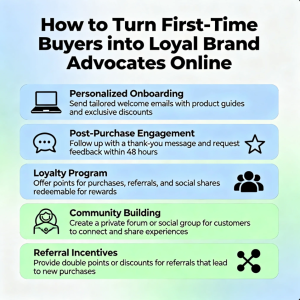
🚚 Post-Purchase Communication
Brands that follow up thoughtfully stand out.
Use:
- Order updates
- Helpful onboarding emails
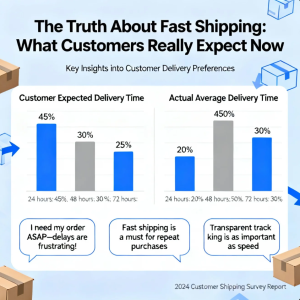
- Honest delivery communication
Silence kills brand connection. Communication builds it.
🌟 Use Storytelling to Build Emotional Connection
📖 Tell a Brand Story People Care About
Storytelling makes brands sticky.
Share:
- Founder stories
- Customer success stories
- Behind-the-scenes moments
People remember stories far longer than features.
🔁 Build Trust Through Social Proof
⭐ Reviews, UGC, and Community
Trust accelerates memorability.
Use:
- Customer reviews
- User-generated content
- Real photos and testimonials
Seeing real people builds credibility and emotional safety.
🔗 Trust research:
https://www.nielsen.com/insights/2015/consumer-trust-in-advertising/
📊 Be Consistent Across Every Touchpoint
Your brand should feel the same whether customers:
- See an Instagram ad
- Visit your website
- Open an email
- Receive a package
Inconsistency creates confusion. Consistency creates recognition.
🚀 Final Thoughts
To build an e-commerce brand people actually remember, focus less on short-term tactics and more on long-term identity.
Products get replaced. Ads stop working.
Brands endure.
If customers remember how you made them feel, they’ll remember your name—and come back.



Post Comment