Live Shopping and Social Commerce: The Future of Interactive Retail
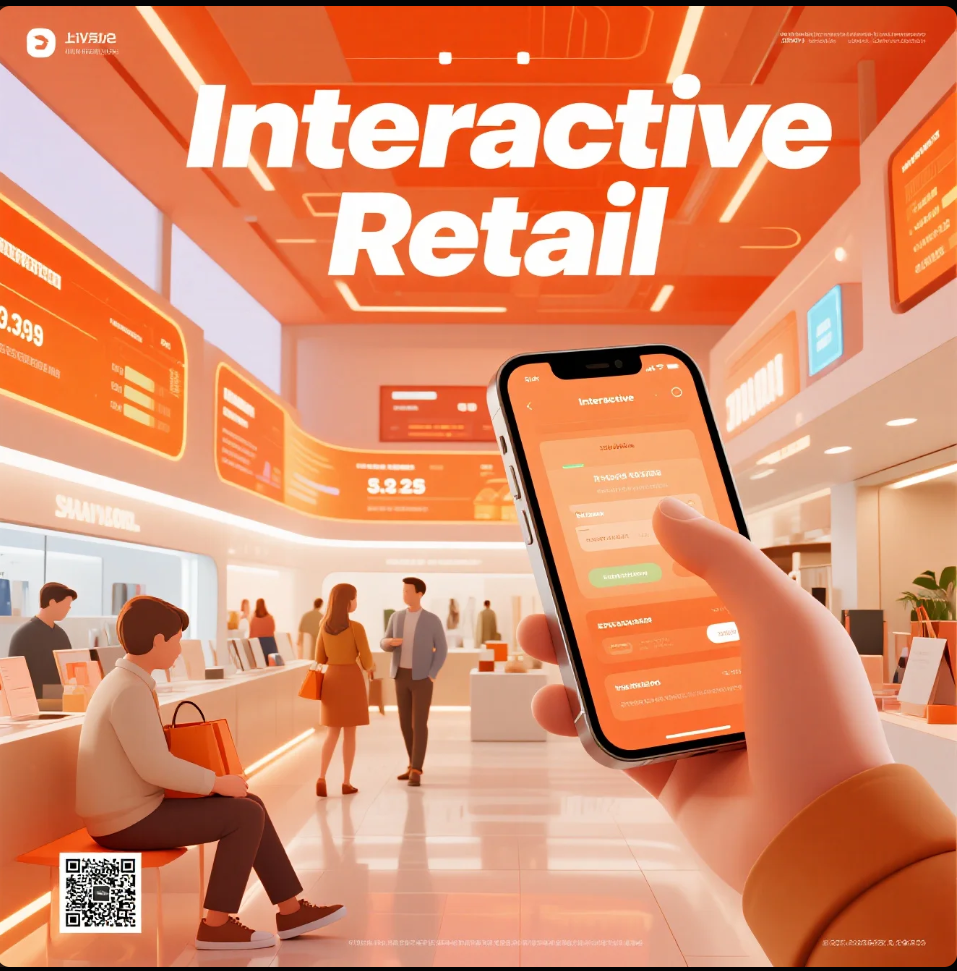
Retail is no longer just about browsing and buying—it’s about interaction, community, and entertainment. At the center of this shift are live shopping and social commerce, two fast-growing trends redefining how consumers discover and purchase products online.
By combining livestream video, influencer marketing, and instant checkout, brands are turning shopping into a real-time experience that feels personal, engaging, and human. What began in Asia has now become a global retail movement.
What Is Live Shopping?
Live shopping allows brands, creators, or retailers to sell products through live video streams, where viewers can interact, ask questions, and purchase instantly.
Key Features of Live Shopping
- Real-time product demonstrations
- Interactive chat and Q&A
- Limited-time offers and flash deals
- Seamless in-video checkout
Platforms such as TikTok Shop, Instagram Live Shopping, Amazon Live, and YouTube Live have accelerated adoption worldwide.
👉 Platform overview:
McKinsey – The Future of Live Commerce
https://www.mckinsey.com/
Understanding Social Commerce
Social commerce refers to buying products directly within social media platforms, without redirecting users to external websites.
Popular Social Commerce Channels
- TikTok Shop
- Instagram Checkout
- Facebook Shops
- Pinterest Shopping
By reducing friction, social commerce shortens the customer journey from discovery to purchase.
👉 Industry insights:
Shopify – What Is Social Commerce?
https://www.shopify.com/blog/social-commerce
Why Live Shopping and Social Commerce Are Exploding
Several powerful trends are fueling rapid growth:
Key Growth Drivers
- Mobile-first consumer behavior
- Creator and influencer trust
- Desire for authentic product experiences
- Shorter attention spans
- Rise of video-first platforms
In China, live commerce already accounts for over 20% of total e-commerce sales, setting a blueprint for global markets.
👉 Global market data:
Statista – Live Commerce Market Size
https://www.statista.com/
The Psychology Behind Interactive Retail
Live shopping taps into fundamental human behavior.
Why It Works
- Social proof: Seeing others buy in real time
- Urgency: Limited stock and countdown offers
- Trust: Real people demonstrating real products
- Entertainment: Shopping feels like content, not ads
This blend of psychology and technology makes live shopping far more engaging than traditional e-commerce.
How Brands Are Using Live Shopping
Both global brands and small businesses are leveraging interactive retail.
Common Use Cases
- Product launches
- Flash sales
- Influencer-hosted demos
- Behind-the-scenes brand storytelling
- Community-driven shopping events
Beauty, fashion, electronics, and lifestyle brands are leading adoption.
Challenges and Limitations
Despite rapid growth, live shopping and social commerce face hurdles:
- Platform dependency
- Content fatigue
- Influencer credibility risks
- Logistics and fulfillment complexity
- Regulatory and data privacy concerns
Brands that succeed focus on long-term community building, not one-off viral streams.
The Future of Interactive Retail
The next phase of live shopping and social commerce will include:
- AI-driven product recommendations
- Augmented reality try-ons
- Virtual influencers and avatars
- Cross-border live commerce
- Deeper integration with CRM and loyalty programs
Retail is evolving from transactions to relationships.
Conclusion
Live shopping and social commerce represent the future of interactive retail—where buying is social, immersive, and immediate. As consumers demand authenticity and connection, brands that embrace real-time engagement will lead the next era of e-commerce.
Shopping is no longer a destination. It’s a conversation.




Post Comment