Social Commerce 2.0: Turning Engagement into Sales
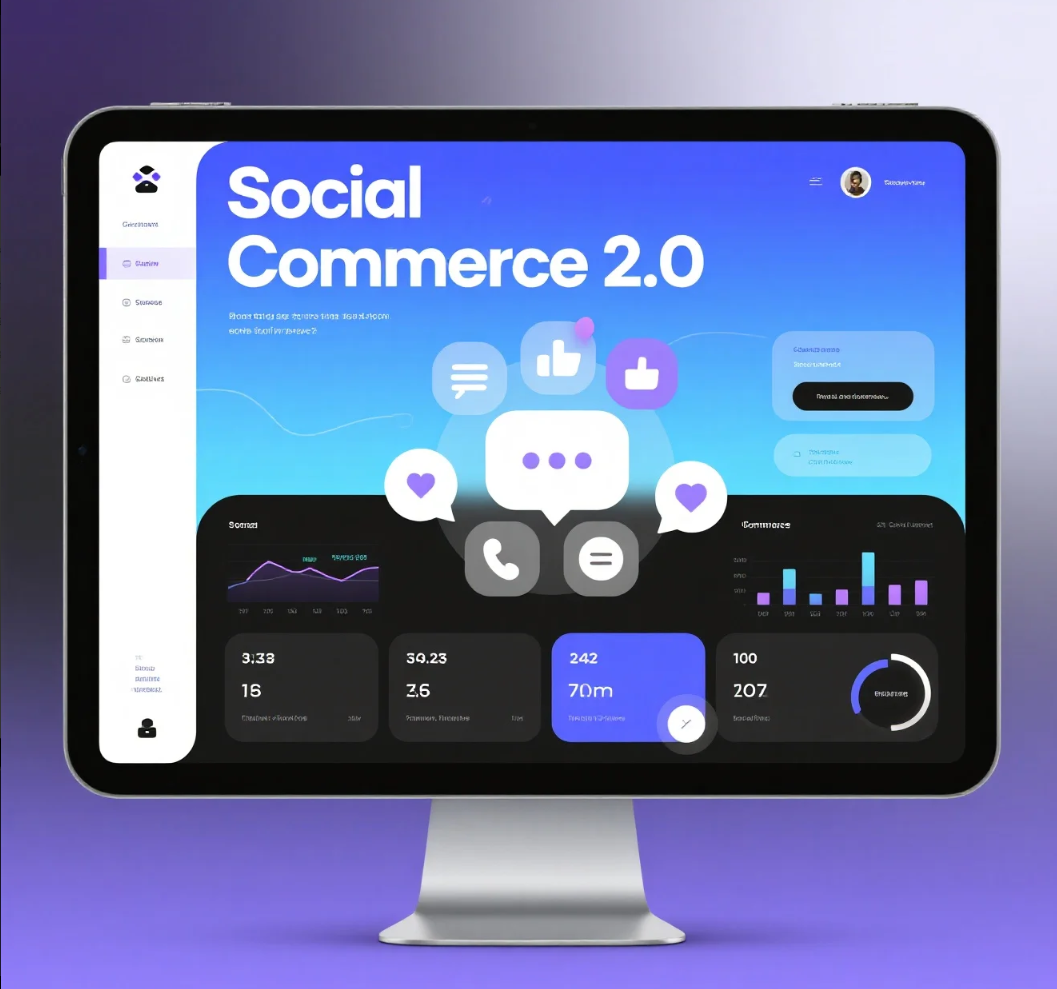
Social media is no longer just a place to connect—it’s a place to buy. What began as product tags and “shop now” buttons has evolved into Social Commerce 2.0, a more sophisticated model where trust, community, and creator-led content turn engagement into measurable sales.
Brands that once chased likes now focus on meaningful interaction, understanding that conversations, comments, and authentic storytelling drive purchasing decisions far more effectively than traditional ads.
What Is Social Commerce 2.0?
Social Commerce 2.0 goes beyond basic in-app shopping. It blends:
- Authentic creator content
- Community-driven recommendations
- Live shopping and short-form video
- Seamless checkout experiences
Unlike first-generation social commerce, which emphasized visibility, this new phase prioritizes relationship-building and frictionless buying.
The result? Engagement isn’t just a vanity metric—it’s a direct revenue driver.
Why Engagement Matters More Than Ever
Modern consumers trust people more than brands. A comment, reply, or creator endorsement feels personal, not promotional. Social Commerce 2.0 capitalizes on this shift by transforming engagement into social proof.
Key engagement signals that influence sales include:
- Comments and conversations
- Saves and shares
- Creator replies and community interaction
- User-generated content
Each interaction reinforces trust, shortening the path from discovery to purchase.
The Role of Creators and Influencers
Creators are at the heart of Social Commerce 2.0. They act as trusted intermediaries, translating brand value into relatable stories.
Micro- and mid-tier creators often outperform larger influencers because their audiences feel more connected and less marketed to. When creators demonstrate products naturally—through tutorials, reviews, or live sessions—conversion rates rise dramatically.
The focus has shifted from reach to relevance.
Platforms Powering Social Commerce 2.0
Several platforms now serve as full-funnel commerce ecosystems:
- Instagram & Facebook Shops – Integrated product discovery and checkout
- TikTok Shop – Viral content combined with impulse purchasing
- Pinterest – High-intent discovery and product inspiration
- YouTube Shopping – Long-form trust-building with direct purchase options
These platforms reduce friction, allowing users to move from inspiration to checkout without leaving the app.
Turning Engagement into Sales: Proven Strategies
To succeed with a modern social commerce strategy, brands should focus on:
1. Content That Educates, Not Just Sells
Demonstrations, comparisons, and storytelling outperform direct promotions.
2. Community-First Interaction
Responding to comments and encouraging discussion increases visibility and trust.
3. Live and Interactive Shopping
Live streams create urgency and allow real-time questions, mimicking in-store experiences.
4. Seamless Checkout
The fewer clicks between interest and purchase, the higher the conversion rate.
Measuring Success Beyond Likes
In Social Commerce 2.0, success metrics evolve. Brands now track:
- Engagement-to-conversion rate
- Creator-attributed revenue
- Customer lifetime value
- Community growth and retention
These metrics reflect long-term brand health, not just short-term attention.
The Future of Social Commerce
As AI personalization, augmented reality try-ons, and conversational shopping continue to grow, social commerce will become even more immersive. The brands that win won’t be the loudest—but the most authentic, responsive, and community-driven.
Social Commerce 2.0 proves one thing clearly: engagement is no longer the goal—it’s the engine.






Post Comment