Taking Your Online Business Global: Strategies for International Growth
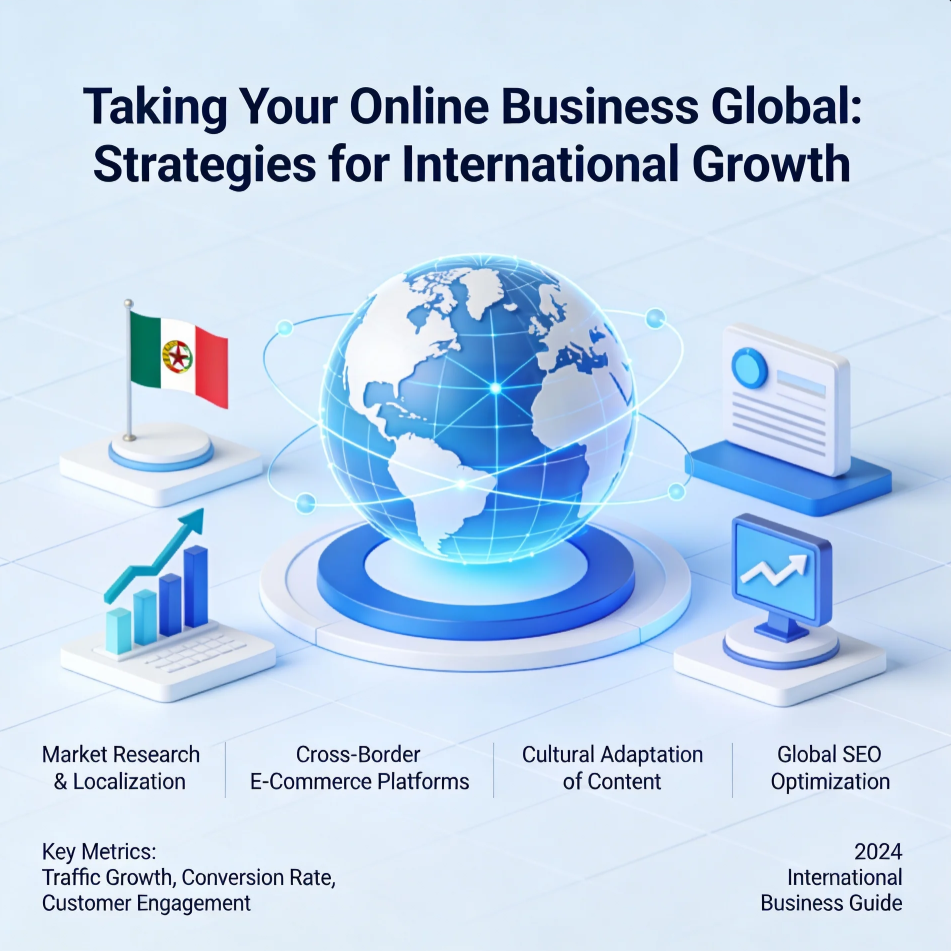
The internet has erased borders, but global success still requires strategy. Taking your online business international isn’t just about translating a website—it’s about understanding markets, cultures, logistics, and customer behavior across regions.
With the right approach, international expansion can unlock massive growth, diversify revenue, and future-proof your brand.
Start with Market Research, Not Assumptions
Before entering new countries, validate demand. Strong international business growth strategies begin with data-driven decisions.
Key factors to analyze:
- Market size and purchasing power
- Local competitors and pricing models
- Cultural buying behaviors
- Legal and regulatory requirements
Helpful tools:
- Google Market Finder – identifies high-potential countries
- World Bank Data – evaluates economic stability and consumer trends
- Statista – provides industry and regional insights
Solid research prevents costly missteps.
Localize, Don’t Just Translate
True localization goes beyond language. It adapts your brand to local expectations.
Localization includes:
- Currency and payment preferences
- Local shipping options and delivery timelines
- Region-specific marketing messages
- Cultural norms in visuals, colors, and tone
Brands that localize properly build trust faster and convert more effectively.
Optimize for International SEO
Global visibility depends on search behavior that varies by region.
International SEO best practices:
- Use country- or language-specific URLs (ccTLDs or subdirectories)
- Implement hreflang tags correctly
- Research local keywords—not direct translations
- Optimize for regional search engines where relevant
This ensures your business is discoverable in every market you enter.
Offer Flexible Global Payments
Payment friction is one of the biggest barriers to international growth.
Winning strategies include:
- Supporting local payment methods (e-wallets, bank transfers, regional cards)
- Displaying prices in local currencies
- Ensuring tax and VAT compliance
Platforms like Shopify, Stripe, and PayPal support multi-currency and international payment processing, reducing friction at checkout.
Build a Scalable Logistics Strategy
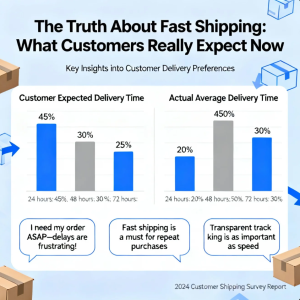
Fast, reliable delivery builds customer confidence worldwide.
Options to consider:
- International fulfillment partners
- Regional warehouses for high-demand markets
- Clear customs and return policies
Transparency around shipping costs and timelines significantly improves conversion rates.
Adapt Marketing for Each Region
What works in one country may fail in another.
Effective global marketing includes:
- Local influencers and affiliates
- Region-specific social media platforms
- Cultural calendars and local holidays
- Tailored promotions and storytelling
Global brands win by thinking locally at scale.
Customer Support Across Time Zones
Trust is built through accessibility. International customers expect responsive support.
Solutions include:
- Multilingual help centers
- AI chatbots for 24/7 assistance
- Region-based support teams
Excellent support turns first-time international buyers into loyal customers.
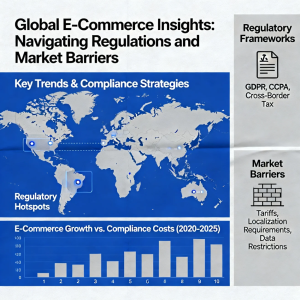
Manage Legal and Compliance Requirements
Every country has different rules around:
- Data protection and privacy (e.g., GDPR)
- Consumer rights
- Taxation and digital sales regulations
Consulting local legal experts or using global compliance platforms helps avoid penalties and operational disruptions.
Final Thoughts: Think Global, Execute Local
Taking your online business global is no longer optional—it’s a competitive advantage. With the right international business growth strategies, you can scale sustainably, reach new audiences, and build a truly global brand.
Success comes from respecting local markets while leveraging global systems. When strategy meets adaptability, international growth becomes not just possible—but powerful.










Post Comment