From Local Hero to Global Player: Transforming Your Brand Worldwide
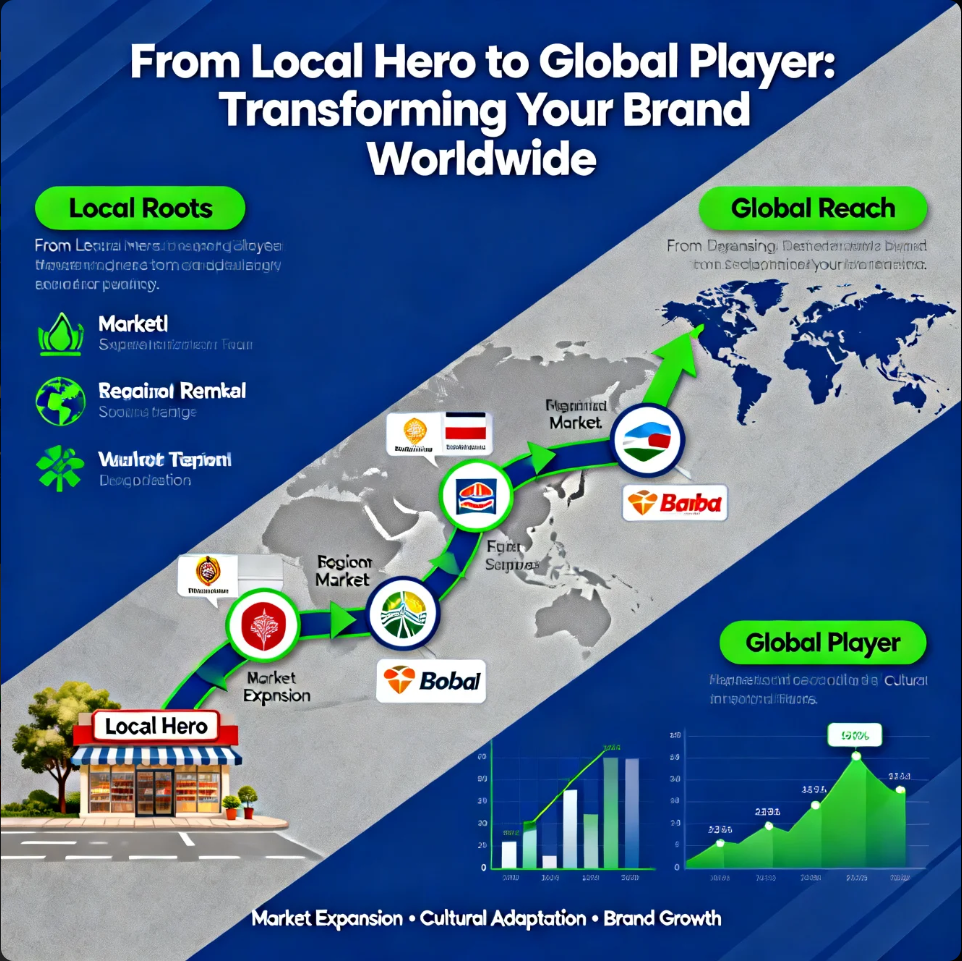
Every global brand started somewhere local. Whether it was a neighborhood shop, a regional service, or a niche startup, success often begins with deep local trust. But scaling that success internationally requires more than ambition—it demands strategy, cultural intelligence, and brand discipline.
This guide explores how transforming your brand worldwide can turn a local hero into a confident global player, without losing authenticity or credibility.
Understanding the Shift from Local to Global
Local Strength Is Your Foundation
Local brands succeed because they understand their audience deeply. This foundation is critical when expanding globally. Before scaling, ask:
- What makes your brand trusted locally?
- Which values resonate most with customers?
- What problems do you solve better than competitors?
These answers become your global brand core, ensuring consistency across borders.
🔗 Outbound link: Harvard Business Review – Global Branding Strategy
https://hbr.org/topic/globalization
Building a Global Brand Strategy
Think Global, Act Local
A successful global brand balances consistency and adaptability. While your mission and values remain the same, messaging must adapt to cultural, linguistic, and behavioral differences.
Key strategic elements include:
- A unified brand identity
- Localized content and communication
- Region-specific customer experiences
Brands that fail globally often ignore local nuance in favor of rigid standardization.
🔗 Outbound link: McKinsey & Company – Global Growth Strategies
https://www.mckinsey.com/capabilities/growth-marketing-and-sales
Cultural Intelligence: The Hidden Growth Driver
Respect Beats Replication
Cultural missteps can damage trust faster than poor products. Global brands invest in cultural research, local partnerships, and regional talent to ensure relevance.
Consider:
- Color symbolism and design preferences
- Tone of voice and humor
- Buying behaviors and decision-making norms
Transforming your brand worldwide means earning acceptance, not demanding attention.
🔗 Outbound link: Hofstede Insights – Cultural Dimensions Theory
https://www.hofstede-insights.com
Scaling Operations Without Diluting Identity
Systems Enable Global Growth
Operational scalability is just as important as marketing. Global brands rely on:
- Standardized brand guidelines
- Flexible supply chains
- Digital platforms for collaboration and consistency
Clear documentation ensures every market tells the same brand story, even when expressed differently.
🔗 Outbound link: Forbes – Scaling a Global Business
https://www.forbes.com/business
Digital Presence as a Global Equalizer
Visibility Beyond Borders
A strong digital ecosystem allows brands to compete globally without massive physical infrastructure. This includes:
- Multilingual websites
- International SEO strategies
- Social platforms adapted to regional use
Search engines and social media are often the first global touchpoint for new audiences.
🔗 Outbound link: Google Search Central – International SEO
https://developers.google.com/search
From Recognition to Trust Worldwide
Brand Trust Is Not Transferable—It’s Earned
Being popular locally does not guarantee global trust. Reviews, partnerships, certifications, and localized storytelling help establish credibility in new markets.
Global brands win by:
- Showing proof, not promises
- Listening before speaking
- Growing relationships, not just reach
Conclusion
Moving from local hero to global player is a transformation, not a translation. By anchoring your identity, respecting cultural differences, and scaling with intention, transforming your brand worldwide becomes a sustainable journey rather than a risky leap.
The strongest global brands don’t abandon their roots—they export their values, refined for the world.









Post Comment