E-Commerce Security 2025: Protecting Your Store From New Threats
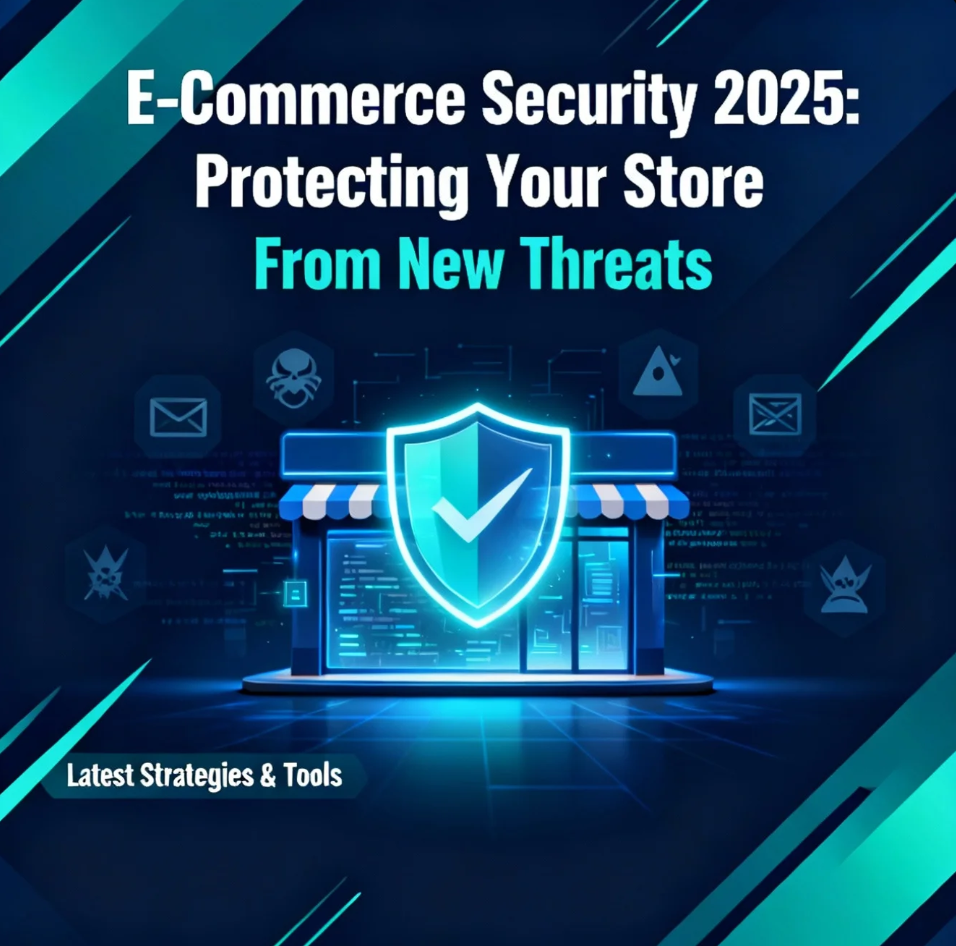
E-commerce has never been more profitable—or more vulnerable. As online shopping continues to grow, cybercriminals are evolving just as quickly. E-commerce security in 2025 is no longer just about basic SSL certificates or strong passwords; it’s about defending against smarter, faster, and more automated threats.
If you run an online store, understanding these new risks is essential to protecting your customers, revenue, and reputation.
🔐 1. The New E-Commerce Threat Landscape in 2025
Modern cyberattacks are increasingly powered by automation and artificial intelligence. Today’s attackers don’t target stores manually—they scan thousands of sites looking for weak points.
The most common e-commerce threats in 2025 include:
- AI-driven phishing and social engineering
- Credential stuffing using leaked login data
- Supply-chain attacks through plugins and extensions
- Automated checkout and payment fraud
- Magecart-style credit card skimming
Small and mid-sized stores are especially vulnerable, as attackers know they often lack dedicated security teams.
🤖 2. AI-Powered Attacks vs. AI-Powered Defense
One of the biggest shifts in e-commerce security 2025 is the use of artificial intelligence on both sides.
Attackers now use AI to:
- Generate realistic fake emails and messages
- Bypass basic fraud filters
- Test thousands of login combinations rapidly
In response, modern e-commerce platforms are deploying AI-based defenses such as:
- Behavioral fraud detection
- Real-time transaction risk scoring
- Automated bot mitigation
Stores that rely on outdated security tools are at a serious disadvantage.
🛒 3. Payment Security and Zero-Trust Checkout
Checkout pages remain the most valuable target for hackers.
In 2025, best practices include:
- Tokenized payments (never storing card data)
- PCI DSS compliance as a minimum, not a bonus
- Multi-layer fraud detection at checkout
- Real-time monitoring for malicious scripts
A growing trend is zero-trust checkout, where every transaction is treated as potentially hostile until verified.
🔗 Outbound link: https://www.pcisecuritystandards.org/
🧩 4. Plugin, App, and Supply-Chain Risks
Many store owners focus on front-end security but overlook a major weakness: third-party software.
Themes, plugins, and apps can introduce:
- Hidden vulnerabilities
- Outdated code
- Backdoors from compromised developers
In e-commerce security 2025, regular audits are critical. Remove unused extensions, update frequently, and only install tools from trusted sources.
🔗 Outbound link: https://owasp.org/www-project-top-ten/
👤 5. Account Takeovers and Customer Trust
Account takeover attacks (ATOs) are increasing rapidly. Hackers use stolen credentials to:
- Access saved payment methods
- Place fraudulent orders
- Steal loyalty points and personal data
To prevent this, online stores should implement:
- Mandatory two-factor authentication (2FA)
- Login anomaly detection
- Rate limiting on login attempts
Protecting customer accounts is not just a security issue—it’s a trust issue.
📦 6. Security as a Competitive Advantage
In 2025, security is no longer invisible to customers.
Shoppers now look for:
- Clear privacy policies
- Trust badges and secure checkout indicators
- Transparent data-handling practices
Stores that actively communicate their security measures often see higher conversion rates and lower cart abandonment.
🔮 Final Thoughts: Future-Proofing Your Online Store
E-commerce security in 2025 is about resilience, not perfection. Threats will continue to evolve—but stores that stay proactive, updated, and customer-focused can stay ahead.
By investing in:
- AI-powered protection
- Secure payment infrastructure
- Regular security audits
- Strong customer authentication
…you’re not just defending your store—you’re building long-term trust and sustainability.






Post Comment