Dropshipping Demystified: What Works, What Doesn’t, and Why

The word dropshipping has become a buzzword in the world of online business. For some, it’s a path to financial freedom. For others, it’s a frustrating experiment that never quite works. So what’s the truth behind the hype? Let’s break down what really works in dropshipping — and what doesn’t.
💡 What Is Dropshipping?
Dropshipping is a business model that allows you to sell products online without holding inventory. Instead, you partner with suppliers who ship products directly to your customers.
It sounds simple: list items, get orders, and let your supplier handle fulfillment. But while dropshipping lowers startup costs, success requires more than just setting up a store.
✅ What Works in Dropshipping
The entrepreneurs who succeed with dropshipping know it’s about strategy, not shortcuts. Here’s what truly works:
- Finding a Niche Market
Choosing a specific niche helps you target the right customers. Instead of selling “everything,” focus on a profitable niche — like eco-friendly home products or fitness accessories. - High-Quality Suppliers
Reliable suppliers mean fast shipping, consistent product quality, and happy customers. Platforms like AliExpress, Spocket, or Zendrop help connect you with vetted partners. - Strong Branding
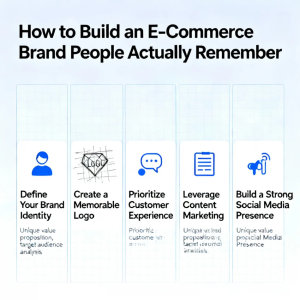
A clean website, clear value proposition, and professional branding make all the difference. People buy from stores they trust. - Smart Marketing
Paid ads, social media marketing, and influencer partnerships can help you reach audiences fast. But don’t forget organic methods like SEO and email marketing for long-term growth. - Customer Service Excellence
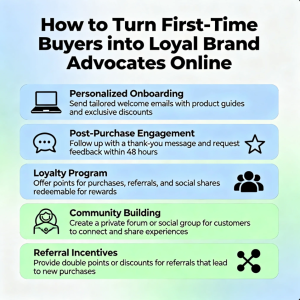
Responding quickly, offering refunds, and solving problems turns one-time buyers into loyal fans. In dropshipping, service is often your only competitive edge.
❌ What Doesn’t Work in Dropshipping
Many beginners fail because they make common mistakes. Here’s what doesn’t work:
- Copying Other Stores
Using the same product images and descriptions as everyone else won’t make your store stand out. Original content builds trust. - Choosing Oversaturated Niches
Selling generic items like “phone cases” or “necklaces” makes it hard to compete. Always research trends before launching. - Ignoring Customer Experience
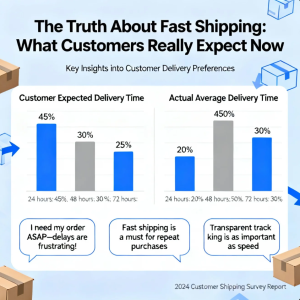
Long shipping times and poor communication can destroy your brand reputation fast. Always test your suppliers and products before selling. - Relying on Paid Ads Alone
Facebook or TikTok ads can work, but without proper targeting or optimization, you’ll waste money. A balanced marketing strategy is key. - Expecting Overnight Success
Dropshipping is not a “get rich quick” model. It takes time, testing, and patience to find winning products.
Image Alt Text: Dropshipping entrepreneur packaging products for online orders.
📊 Why Some Sellers Succeed (and Others Don’t)
The difference between success and failure often comes down to mindset and consistency.
- Successful dropshippers treat it like a real business. They test products, track data, and focus on improving every part of the process.
- Unsuccessful dropshippers often give up too early or chase trends without understanding their audience.
Ultimately, dropshipping rewards those who stay adaptable and data-driven.
🧭 How to Start Dropshipping the Right Way
If you’re ready to start, here’s a simple roadmap:
- Choose a niche with passion and profit potential.
- Research your suppliers carefully.
- Build your store using Shopify, WooCommerce, or another platform.
- Create unique branding and content.
- Market your products with both paid and organic strategies.
- Analyze and optimize — test pricing, ads, and audiences weekly.
With consistency and the right tools, dropshipping can become a legitimate, sustainable business model.
🚀 Conclusion: The Real Truth About Dropshipping
Dropshipping isn’t dead — it’s just misunderstood. What works is patience, strategy, and a focus on customer satisfaction. What doesn’t is copying others or expecting instant profit.
When done right, dropshipping remains one of the most flexible and low-risk ways to start an online business today. Success lies not in luck, but in learning what truly matters — building trust, value, and brand power.







Post Comment