From Small Startup to Online Empire: Real E-Commerce Success Blueprints
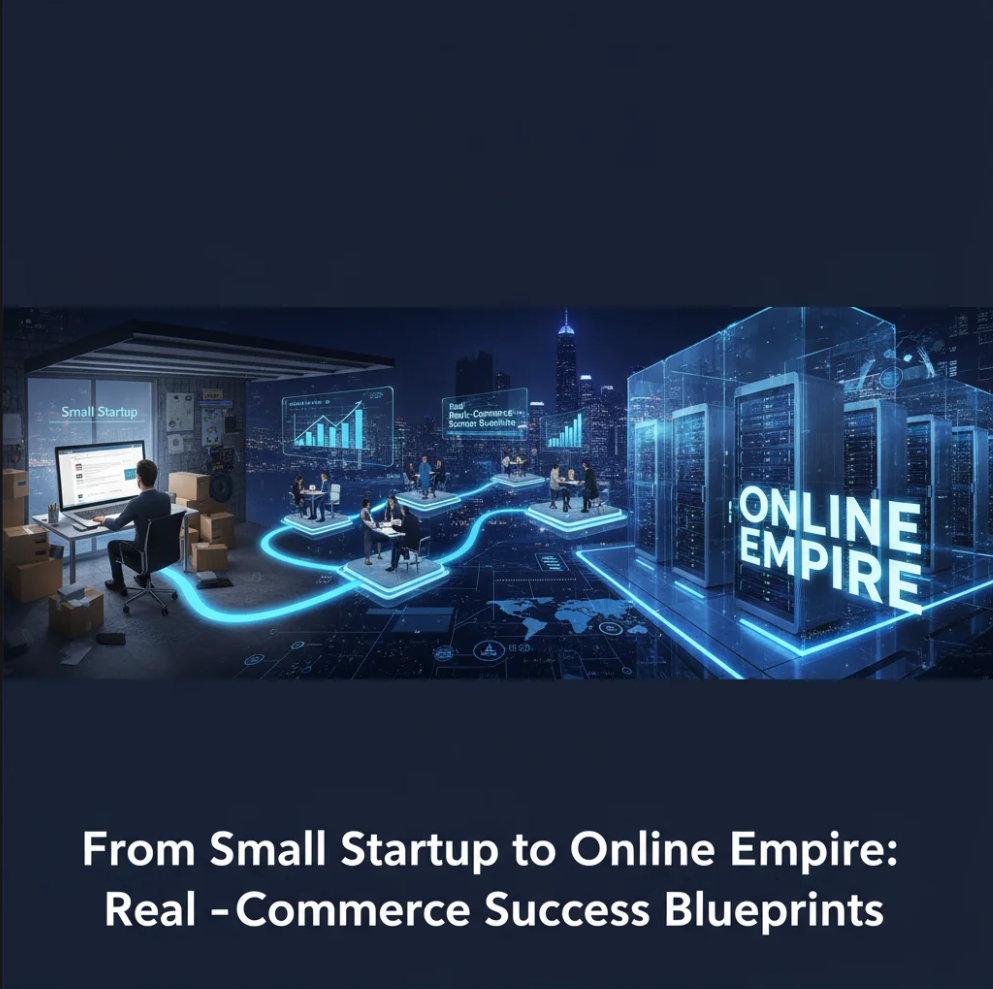
Every giant online brand you know — from Shopify stores to Amazon sellers — started small.
What separates those that scale into thriving empires from those that fade away?
It’s not luck — it’s strategy.
In this article, we’ll break down real e-commerce success blueprints used by fast-growing online businesses to build brand authority, drive traffic, and scale sustainably.
🧱 1. Foundation First: Brand Identity & Niche
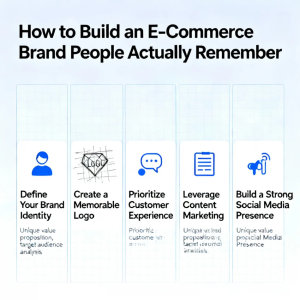
Before ads, algorithms, or fancy automation, successful startups focus on one thing: clarity.
Ask yourself:
- Who is my customer?
- What problem am I solving better than anyone else?
- Why should people remember my brand?
Winning e-commerce brands don’t try to please everyone. They dominate a niche with a clear message and visual identity — think Gymshark, Glossier, or Allbirds.
🧠 Pro Tip: A strong brand identity builds emotional connection — and emotions drive conversions.
⚙️ 2. Build Smart, Not Expensive: The Right Tech Stack
You don’t need a Silicon Valley budget to build a powerful e-commerce setup.
What you need is the right combination of tools to automate and optimize your operations:
- Shopify / WooCommerce for scalable storefronts
- Klaviyo or Omnisend for email automation
- Google Analytics + Hotjar for tracking customer behavior
- Canva / Figma for visual consistency
- Chatbots (like Tidio or Manychat) for real-time support
These platforms let small teams run big operations — efficiently and affordably.
📈 3. Data-Driven Marketing: Scale What Works
The best e-commerce empires don’t guess — they test and track everything.
Focus on:
- A/B testing product pages and ads
- Tracking customer lifetime value (CLV)
- Retargeting campaigns for lost shoppers
- Personalized email funnels to nurture repeat buyers
Numbers tell a story. Listen carefully, and they’ll guide your next big growth leap.
💬 4. Build a Loyal Community, Not Just a Customer Base
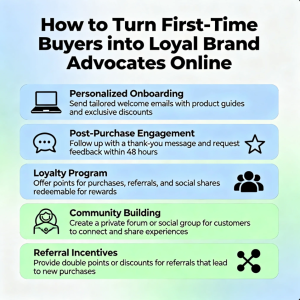
E-commerce winners turn shoppers into advocates.
They don’t just sell products — they build belonging through storytelling and authenticity.
Examples:
- Glossier grew from a beauty blog community.
- Gymshark leveraged fitness influencers and user content.
- Patagonia built a brand on shared environmental values.
Create ways for your customers to engage — not just buy. That’s how repeat revenue is born.
🚀 5. Diversify Your Channels
Relying on one source of sales (like ads or Amazon) is risky.
Successful brands expand across multiple touchpoints:
- Website sales
- Social commerce (TikTok Shop, Instagram, Facebook)
- Marketplaces (Etsy, eBay, Amazon)
- Email & SMS marketing
Each channel amplifies the others — a key step toward becoming an online empire.
💡 6. Systems = Freedom: Automate to Scale
As sales grow, manual processes become bottlenecks.
Automation keeps your business running smoothly without burnout.
Automate:
- Order fulfillment and tracking
- Email marketing flows (welcome, abandoned cart, post-purchase)
- Customer segmentation for personalized offers
The goal isn’t just growth — it’s sustainable, hands-off growth.
🌍 7. Global Thinking from Day One
E-commerce knows no borders.
With the right logistics partners and payment gateways, small startups can sell worldwide.
Start by:
- Offering multi-currency payments
- Translating key product pages
- Using international fulfillment centers (like ShipBob or Printful)
Your next customer could be across the street — or across the ocean.
🧭 Final Thoughts: Blueprints That Build Legacies
E-commerce empires aren’t built overnight.
They’re built by founders who combine creativity, analytics, and consistency.
If you commit to refining your brand, mastering your systems, and listening to your audience, your small startup can absolutely become a thriving online powerhouse.
Remember — every empire starts with a single sale. 💥









Post Comment