Global Growth Ahead: Navigating the Future of Cross-Border E-Commerce
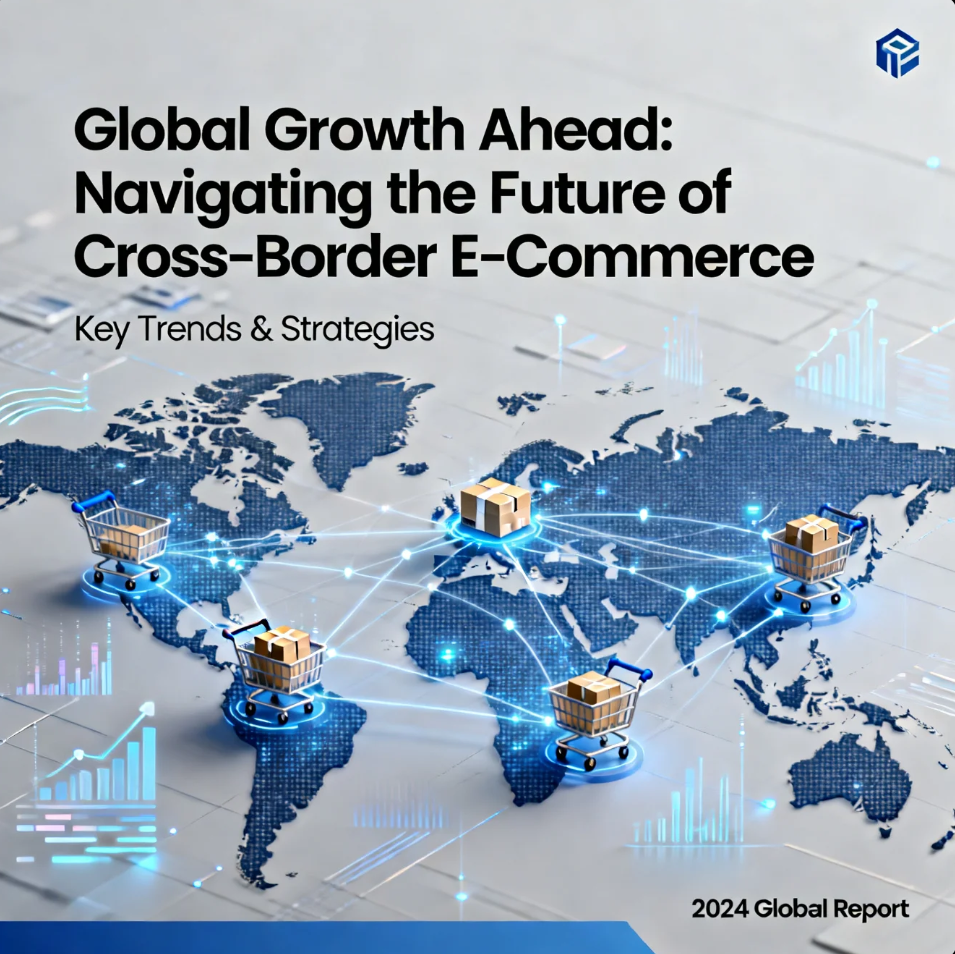
Cross-border e-commerce is no longer a niche strategy—it’s becoming the backbone of global digital trade. As consumers grow more comfortable purchasing from international sellers, businesses of all sizes are expanding beyond domestic borders to tap into new markets, revenue streams, and customer bases.
The future of cross-border e-commerce points toward rapid growth, powered by technology, logistics innovation, and shifting consumer expectations.
Why Cross-Border E-Commerce Is Accelerating
Several powerful forces are driving global expansion:
- Increased internet and mobile penetration worldwide
- Growing trust in international online payments
- Improved global shipping and fulfillment networks
- Competitive pricing and product variety across borders
Consumers are no longer limited by geography—they shop wherever value, quality, and convenience align.
Emerging Markets Fueling Global Growth
While North America and Europe remain dominant, emerging markets are shaping the next phase of cross-border commerce.
High-growth regions include:
- Southeast Asia
- Latin America
- Africa
- The Middle East
Rising middle classes, mobile-first consumers, and digital wallets are accelerating cross-border adoption in these regions.
Technology Transforming International Commerce
Innovation is removing traditional barriers to global selling.
Key technologies shaping the future include:
- AI-powered localization and translation
- Automated tax and duty calculation
- Cross-border payment platforms and digital wallets
- Real-time shipment tracking and smart logistics
These tools reduce friction, build trust, and improve the customer experience across borders.
Logistics & Fulfillment: The Competitive Advantage
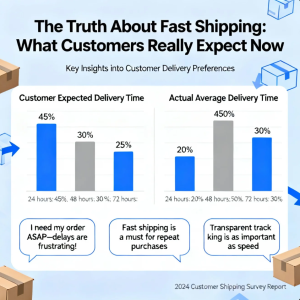
Fast, reliable delivery is now a global expectation. Companies that invest in:
- Regional warehouses
- Local fulfillment partners
- Transparent return policies
gain a significant edge in international markets.
Efficient logistics directly impact conversion rates, repeat purchases, and brand reputation.
Regulatory & Compliance Challenges
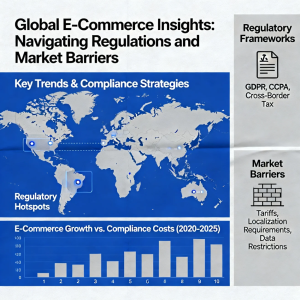
Despite growth opportunities, cross-border e-commerce faces complexity:
- Customs regulations
- Import/export restrictions
- Data protection laws
- Tax compliance
Successful global brands proactively invest in compliance solutions and regional expertise to avoid costly disruptions.
Consumer Trust in a Global Marketplace
Trust remains the foundation of cross-border success.
Consumers look for:
- Clear pricing in local currency
- Transparent shipping timelines
- Secure payment options
- Familiar customer support experiences
Brands that localize—not just translate—build stronger international loyalty.
Sustainability & Ethical Expectations
Global shoppers are increasingly conscious of:
- Environmental impact
- Ethical sourcing
- Sustainable packaging
Cross-border brands that address sustainability transparently are more likely to win long-term customer trust.
Strategic Takeaways for Businesses
To thrive in the future of cross-border e-commerce:
- Prioritize localization over standardization
- Invest in scalable logistics infrastructure
- Leverage data to understand regional behavior
- Build trust through transparency and consistency
Global growth favors brands that think locally while operating globally.
Final Thoughts
The future of cross-border e-commerce is not just global—it’s interconnected, technology-driven, and customer-centric. Businesses that adapt early will unlock new markets, diversify revenue, and build resilient international brands.
The world is no longer your limit—it’s your marketplace.









Post Comment