The Mobile-First Revolution: Why Mobile Shopping Dominates 2025
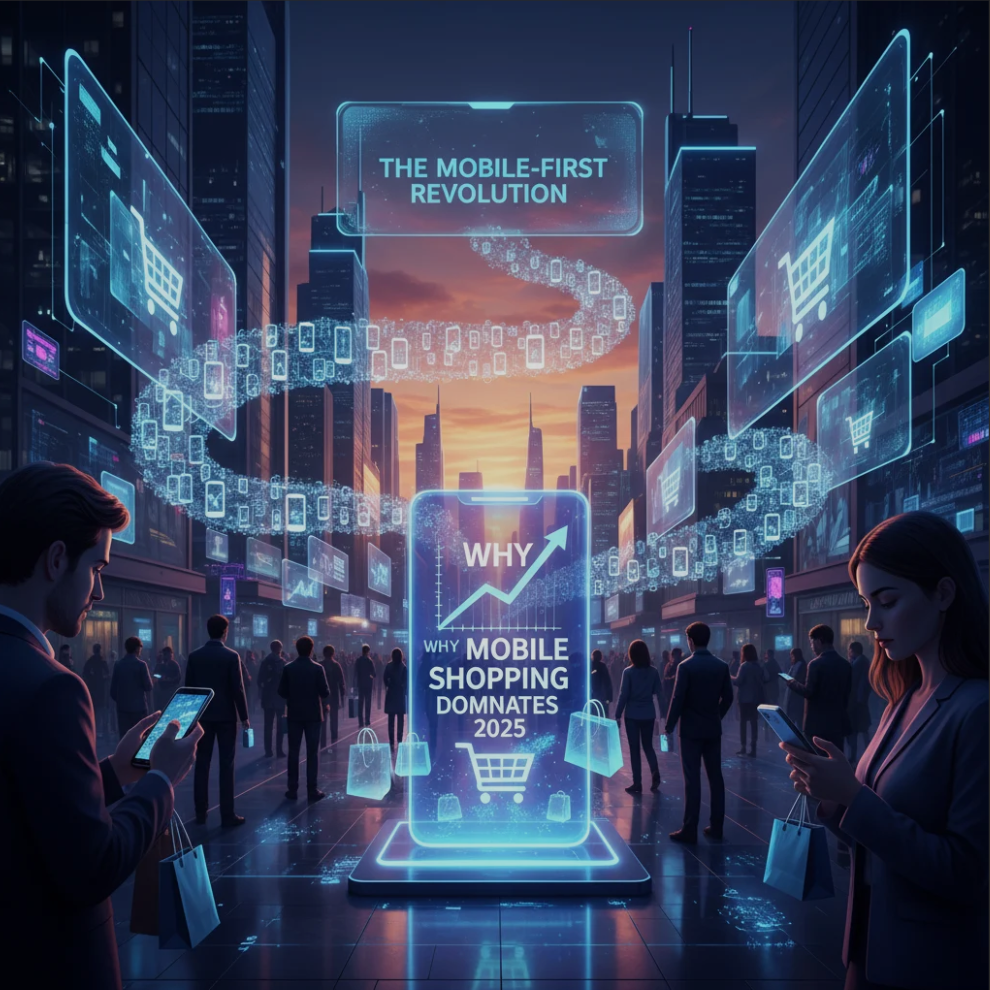
The world of e-commerce has evolved — and mobile shopping in 2025 isn’t just a convenience; it’s the dominant force shaping global retail. As consumers embrace on-the-go lifestyles, brands that prioritize mobile-first experiences are leading the digital marketplace.
Let’s explore the data, trends, and technologies driving this mobile-first revolution.
📊 1. The Rise of Mobile-First Consumers
Over the past decade, mobile devices have transformed from communication tools into powerful shopping engines.
- More than 70% of online purchases in 2025 now come from smartphones and tablets.
- Consumers prefer mobile platforms for speed, simplicity, and accessibility.
- Gen Z and Millennials lead the charge, using social commerce apps and one-tap checkout systems.
Businesses that optimize for mobile-first audiences gain a crucial competitive advantage in customer engagement and conversion.
⚙️ 2. Technology That Powers Mobile Commerce
The dominance of mobile shopping in 2025 is driven by innovative technology.
- AI-driven personalization tailors product suggestions in real time.
- Voice search and AI assistants simplify browsing and purchasing.
- Augmented reality (AR) lets customers virtually try on clothes or visualize furniture before buying.
- 5G networks provide instant loading and immersive shopping experiences.
This tech synergy makes mobile shopping not just easy — but irresistibly engaging.
💳 3. The Shift in Consumer Behavior
Modern consumers expect instant gratification, seamless payment options, and personalized experiences.
- Mobile wallets like Apple Pay, Google Pay, and Shop Pay dominate checkout processes.
- Social media platforms have become powerful marketplaces, turning engagement into direct sales.
- The growing influence of micro-influencers encourages discovery through mobile channels.
In 2025, shopping isn’t just about buying — it’s about connection, experience, and convenience.
🏪 4. Retailers Adapting to the Mobile Revolution
To thrive in 2025, brands are fully embracing mobile-first strategies.
- Responsive website design ensures flawless navigation across screens.
- Progressive Web Apps (PWAs) bridge the gap between mobile websites and native apps.
- Data analytics help retailers track consumer habits and predict demand.
Retailers that fail to adapt risk being left behind in this fast-moving digital marketplace.
🌍 5. The Global Impact of Mobile Shopping
The mobile-first revolution is transforming economies worldwide.
- Developing countries see a surge in mobile-based entrepreneurship.
- Small businesses use mobile storefronts to reach international audiences.
- Global logistics networks are evolving to meet the demand for fast, mobile-driven fulfillment.
By democratizing access and opportunity, mobile commerce has become a global equalizer.
🚀 6. What’s Next for Mobile Shopping Beyond 2025
The future of mobile shopping continues to evolve:
- AI avatars will guide users through hyper-personalized shopping journeys.
- Blockchain will enhance transaction transparency and trust.
- Sustainability-focused tech will empower consumers to make greener choices.
The next generation of mobile shopping promises innovation, inclusion, and intelligence — reshaping how we shop forever.
💡 Conclusion: The Future Is in Your Hands
The mobile-first revolution defines 2025’s retail landscape. From AI-driven personalization to seamless payments and AR experiences, mobile devices are no longer just shopping tools — they’re the heart of global commerce.
For consumers, it means ease and empowerment.
For businesses, it’s a call to innovate or be left behind.
In a world that moves at the speed of touch, the future of shopping truly lies in the palm of your hand.










Post Comment