The Power of Mobile Commerce: Why Mobile-First Is No Longer Optional
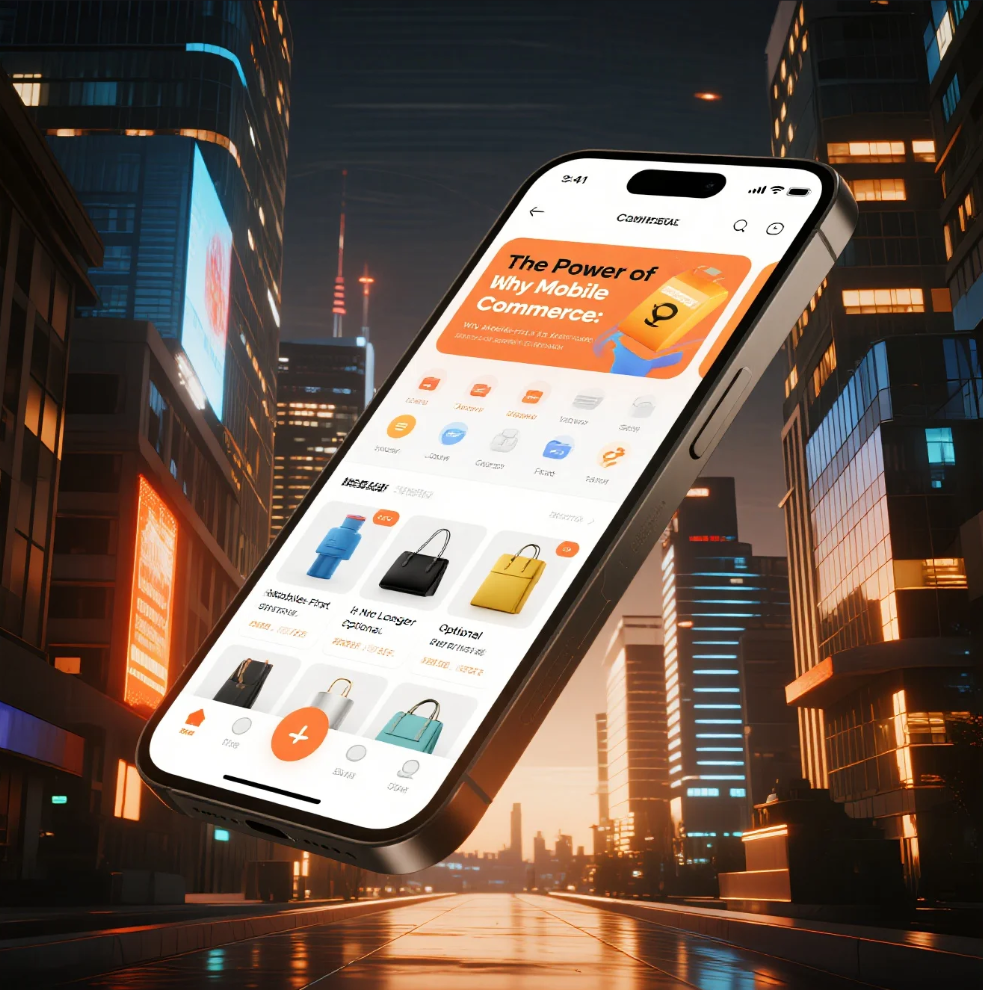
Mobile devices have quietly become the primary storefront of the digital economy. What was once a convenience is now the default way people browse, compare, and buy. The power of mobile commerce is no longer a trend—it’s the foundation of modern online retail.
For businesses in 2025, mobile-first isn’t an upgrade. It’s a requirement.
Mobile Commerce Is Now the Main Channel
Consumers don’t “go mobile” anymore—they live there.
Mobile commerce dominates because:
- Smartphones are always within reach
- Purchasing decisions happen in short moments
- Social media shopping is mobile-native
- Digital wallets simplify checkout
According to Statista, mobile commerce accounts for more than half of global e-commerce sales and continues to grow each year:
https://www.statista.com/topics/871/mobile-commerce/
If your store isn’t optimized for mobile, you’re losing customers before they even consider buying.
What Mobile-First Really Means (and What It Doesn’t)
Mobile-first is not just about making a site “fit” on a smaller screen.
A true mobile-first approach means:
- Designing for mobile users first, not adapting later
- Prioritizing speed, clarity, and ease of use
- Reducing friction at every step of the journey
- Optimizing checkout for thumbs, not cursors
Desktop is now the secondary experience—not the other way around.
Why Mobile Users Are Less Patient—and More Valuable
Mobile shoppers behave differently.
They expect:
- Pages to load instantly
- Navigation to be intuitive
- Checkout to be fast and simple
- Minimal typing and interruptions
Google research shows that even a one-second delay in mobile load time can significantly reduce conversions:
https://www.thinkwithgoogle.com/consumer-insights/mobile-page-speed/
When mobile experiences are smooth, users convert more—and return more often.
The Conversion Power of Mobile Optimization
Mobile-first design directly impacts revenue.
Optimized mobile stores benefit from:
- Higher engagement rates
- Lower bounce rates
- Improved conversion funnels
- Better SEO performance
Search engines now prioritize mobile usability when ranking websites, making mobile optimization critical for visibility as well as sales.
Social, Voice, and Mobile Payments Drive Growth
Mobile commerce thrives because it integrates seamlessly with how people already live online.
Key drivers include:
- Social commerce on Instagram, TikTok, and Facebook
- One-click mobile wallets and BNPL options
- Voice-assisted search and shopping
- Location-based personalization
As Shopify reports, brands that integrate mobile payments and social shopping see significantly higher mobile conversion rates:
https://www.shopify.com/research/mobile-commerce
Mobile-First Builds Trust Faster
Trust is fragile on small screens.
Mobile-first brands earn trust by:
- Using clean, readable layouts
- Displaying reviews and trust badges clearly
- Simplifying returns and policies
- Offering transparent pricing and delivery
A cluttered or slow mobile site signals risk—often enough for customers to abandon instantly.
What Happens If You Ignore Mobile-First?
The cost of inaction is high.
Without a mobile-first strategy, businesses face:
- Declining search visibility
- Rising bounce rates
- Lower customer satisfaction
- Lost sales to mobile-optimized competitors
In a mobile-dominated market, ignoring mobile users is equivalent to closing your physical store during peak hours.
Why Mobile-First Is No Longer Optional
Mobile commerce is not the future—it’s the present.
Brands that succeed in 2025 and beyond:
- Design for mobile behavior first
- Remove friction from mobile checkout
- Integrate social and payment ecosystems
- Treat mobile UX as a revenue driver
The power of mobile commerce lies in meeting customers where they already are—in their hands.









Post Comment