Voice Commerce: Shopping With Alexa, Google & Siri in 2025
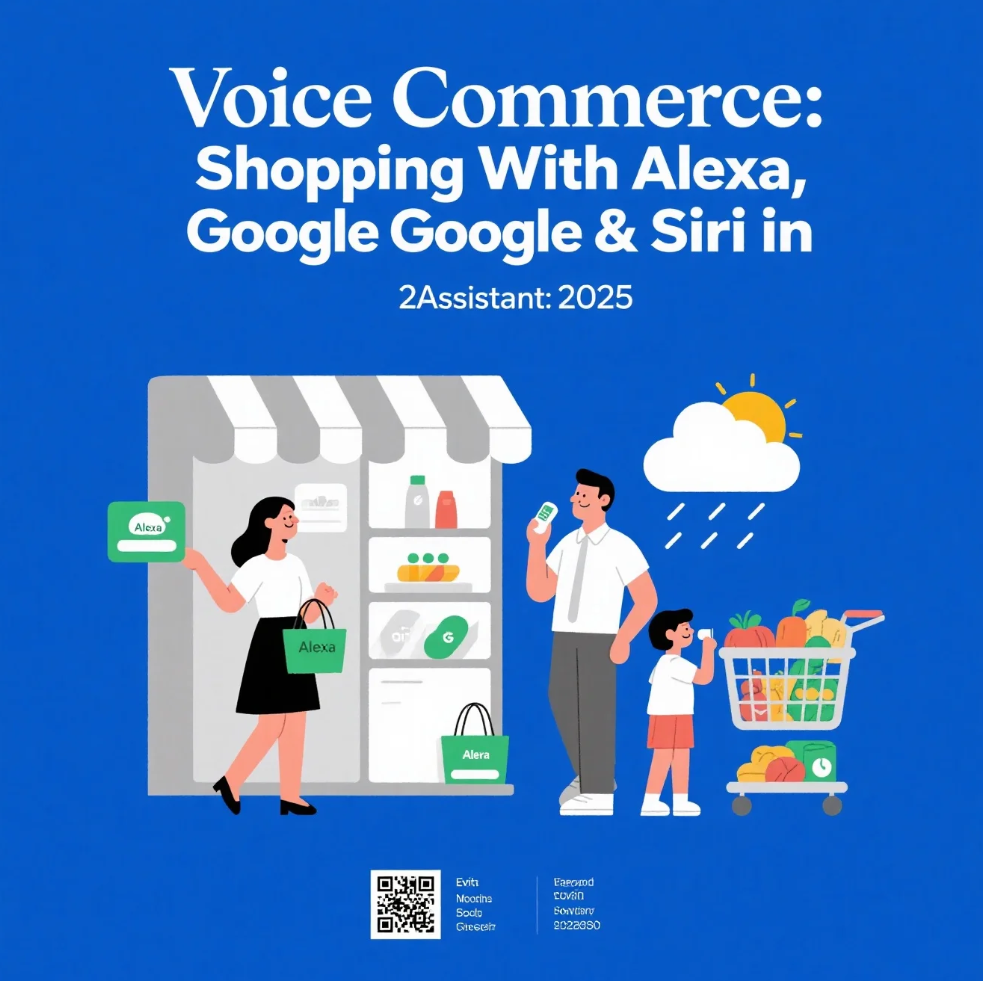
Voice commerce—buying products using voice assistants like Alexa, Google Assistant, and Siri—has evolved dramatically by 2025. Thanks to smarter AI, faster recognition, and deep personalization, voice shopping has shifted from a novelty to a mainstream convenience. This article breaks down how voice commerce in 2025 works, what’s new, and what it means for consumers and businesses.
1. The State of Voice Commerce in 2025
By 2025, voice shopping has become:
- 40% more accurate in recognizing complex queries
- Seamlessly integrated across smartphones, smart speakers, cars, and wearables
- Powered by AI models that understand context, habits, and preferences
- Increasingly trusted for reorders, quick purchases, and price checks
Consumers are now comfortable saying things like:
“Alexa, reorder my favorite cold brew.”
“Hey Google, compare prices on noise-canceling headphones.”
2. Amazon Alexa: Still the Voice Shopping Leader
Amazon is the pioneer of voice commerce, and Alexa continues to dominate in 2025.
Key Features:
- One-sentence purchases (“Alexa, buy more toothpaste.”)
- Personalized suggestions based on Amazon history
- Integration with Amazon Fresh for grocery restocks
- Hands-free delivery tracking
- Household voice profiles preventing accidental orders
Alexa remains the go-to for fast purchases and repeat orders.
3. Google Assistant: The Smart Comparison Shopper
Google Assistant shines in search-driven shopping and informed decisions.
What’s new in 2025?
- Real-time price comparison across major retailers
- Product summaries based on reviews and ratings
- Seamless checkout with Google Pay
- Integration with Google Shopping Graph for accurate inventory
Google is perfect for users who ask:
“Which air fryer under $100 has the best reviews?”
4. Apple Siri: The Seamless Ecosystem Shopper
Siri wasn’t originally built for commerce, but by 2025 it’s become a powerful ecosystem-based shopping assistant.
New Capabilities:
- Integration with Apple Wallet & Pay Later
- Personalized recommendations from Apple services
- Hands-free shopping inside apps like Target, Walmart, and Instacart
- Context-sensitive suggestions (e.g., “You’re low on groceries—want to reorder?”)
Siri excels in private, secure, Apple-centric buying experiences.
5. AI Personalization: The Engine Behind Voice Commerce
Voice commerce in 2025 relies heavily on AI models that learn:
- Your shopping habits
- Your dietary preferences
- Your preferred brands
- Your typical price ranges
- Your past delivery patterns
This makes voice shopping feel like a personal concierge—fast, intuitive, and accurate.
6. Security Improvements: Safer Than Ever
Privacy has always been a concern, but 2025 brings major enhancements:
- Voice authentication (unique vocal patterns)
- Multi-factor prompts for high-value orders
- Family member voice profiles
- Automatic fraud detection
Accidental kid purchases? Nearly a thing of the past.
7. Real World Use Cases in 2025
Consumers now use voice commerce for:
Daily Shopping
- Groceries
- Household essentials
- Pet food
- Toiletries
Product Discovery
- “Alexa, what’s trending in fitness gear?”
- “Hey Siri, show me eco-friendly cleaning products.”
Urgent Needs
- Last-minute gifts
- Same-day delivery items
- Emergency supplies
Subscription Reorders
Voice assistants handle routine reordering completely hands-free.
8. Impact on Retailers and Brands
Businesses have shifted to accommodate voice commerce by:
- Creating voice-optimized product descriptions
- Using short, conversational keywords
- Making products accessible via Amazon, Google, and Apple ecosystems
- Adding AI-enhanced voice actions for customer retention
Brands that adapt benefit from higher loyalty and faster conversions.
9. Challenges That Still Exist
Despite progress, voice commerce faces several issues:
- Regional language and accent limitations
- Discovery friction—voice isn’t as visual as traditional shopping
- User trust in security varies
- Over-personalization can feel intrusive if not balanced
Still, advancements in multimodal AI are rapidly reducing these concerns.
10. What’s Next for Voice Shopping Beyond 2025?
Future innovations could include:
- Full multimodal experiences combining voice + interactive displays
- Automated smart-home shopping routines
- Emotion-aware shopping responses
- Voice-controlled shopping inside AR/VR worlds
- Hyper-localized inventory suggestions (“The pharmacy near you has it in stock.”)
Voice commerce will become increasingly natural—almost like talking to a human assistant.
Conclusion
Voice commerce in 2025 is smarter, faster, safer, and more integrated than ever before. Alexa, Google Assistant, and Siri each bring their strengths, offering consumers seamless hands-free shopping experiences across devices and ecosystems. As AI continues evolving, voice shopping will become not just convenient, but essential.










Post Comment