Why Most Online Stores Fail—and What the Top 1% Are Doing Differently

Launching an online store has never been easier — yet succeeding has never been harder.
Today, more than 90% of eCommerce stores fail, often within their first 12 months. Meanwhile, a small elite group — the top 1% — achieve explosive growth, loyal customers, and consistent profitability.
What separates those who fail from those who dominate?
In this article, we break down the real reasons most online stores collapse — and the proven strategies the top 1% use to win.
Why Most Online Stores Fail
1. No Clear Niche or Differentiation
Most stores sell generic products anyone can buy on Amazon.
If your store can’t answer “Why buy from us?” — you’re invisible.
Shoppers don’t want “a store.”
They want the store for:
- eco-friendly products
- minimalist fashion
- pet travel accessories
- tactical gear
- aesthetic décor
The top 1% dominate hyper-specific niches where they become the trusted brand.
2. Poor Product Selection
Many new store owners:
- chase trends
- choose random items
- sell products with low margins
- rely on suppliers with poor quality
The result?
Bad reviews, high refunds, and no repeat customers.
The top eCommerce stores select products based on data, demand, and long-term brand value.
3. Weak Branding
A huge reason stores fail is that they look cheap.
- Low-quality logo
- Inconsistent colors
- Poor product photos
- Generic theme
- No story
Meanwhile, the top 1% brands look premium on day one.
Your brand is not optional — it is the business.
4. No Real Marketing Strategy
New store owners expect traffic to magically appear.
But without:
- paid ads
- SEO
- email marketing
- social content
- influencer partnerships
…your store doesn’t stand a chance.
Marketing drives revenue.
Not products. Not websites.
5. Not Tracking or Optimizing
Most stores never look at:
- conversion rate
- average order value (AOV)
- customer acquisition cost (CAC)
- lifetime value (LTV)
- abandoned cart rate
You can’t fix what you don’t measure.
The top 1% track everything — and optimize relentlessly.
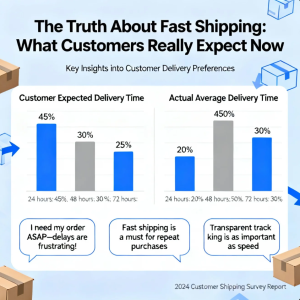
6. Slow Shipping & Bad Customer Experience
Fast shipping is expected.
Bad packaging, slow fulfillment, and poor support kill repeat business.
Top stores:
- partner with reliable suppliers
- offer fast shipping options
- respond to customer issues within hours
- treat every customer like a lifetime relationship
7. Cash Flow Mismanagement
Many owners spend all their money on ads too soon.
Or they under-invest and never scale.
The top 1% manage finances with a clear strategy:
- reinvest profits
- scale gradually
- build predictable systems
- avoid unnecessary expenses
🚀 What the Top 1% of Online Stores Are Doing Differently
Here’s what actually separates winners from the rest.
1. They Choose the Right Niche
Top eCommerce brands don’t try to sell to everyone.
They dominate specific subcultures and movements.
Examples:
- sustainability
- pet lovers
- fitness communities
- remote workers
- hobbyists
Focused niches → higher profit margins + loyal customers.
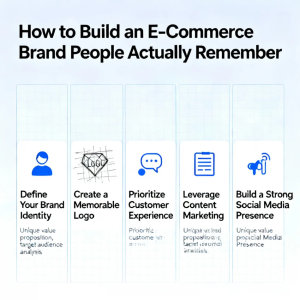
2. They Build a Premium Brand Identity
The top 1% look trustworthy from the first click.
They invest in:
- professional branding
- high-quality product photos
- custom packaging
- unique brand voice
- storytelling
People don’t buy products — they buy brands.
3. They Develop Their Own Product Stack
While beginners rely on generic dropshipping items, top brands:
- private-label
- customize products
- bundle items
- create collections
- improve features competitors ignore
This creates a moat competitors can’t easily copy.
4. They Master Paid Ads & Organic Traffic
Top stores use a balanced strategy:
- Facebook & TikTok ads
- Google Shopping
- SEO-optimized blog content
- Influencer marketing
- Email marketing
- Retargeting campaigns
They build traffic systems — not one-hit ads.
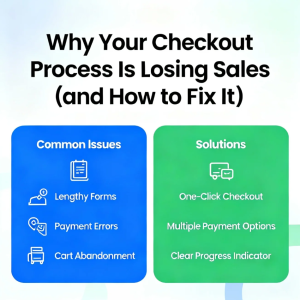
5. They Obsess Over Conversion Rate Optimization (CRO)
Instead of blindly increasing traffic, they improve:
- product pages
- pricing
- checkout flow
- trust badges
- reviews
- upsells
- mobile responsiveness
Small CRO improvements = huge sales growth.
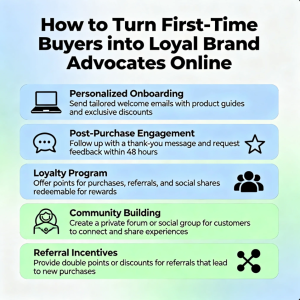
6. They Focus on Customer Lifetime Value (LTV)
The top 1% understand that the real money comes from repeat customers.
So they invest in:
- email sequences
- loyalty programs
- SMS marketing
- subscription models
- post-purchase upsells
If your customers come back, your business prints money.
7. They Build Systems — Not Chaos
Most stores operate in survival mode.
Top stores build:
- SOPs
- automation
- team roles
- supplier management systems
- fulfillment workflows
Systems create scalability.
⭐ Conclusion: Why Most Stores Fail — and How You Can Join the Top 1%
The majority fail because they:
- lack a clear niche
- don’t look trustworthy
- copy competitors
- don’t understand marketing
- fail to track and optimize
- ignore customer experience
But you can rise above by doing what the top 1% do:
✔ Build a differentiated brand
✔ Choose profitable products
✔ Understand marketing and analytics
✔ Focus on long-term customer value
✔ Create systems instead of chaos
Success isn’t random.
It’s strategic.
And it’s absolutely achievable.







Post Comment